
Digital Nomad Travel
The global rise of remote work has reshaped how people live, work, and explore the world. As flexible careers become more common, a new wave of travelers is redefining accommodation preferences. One question continues to surface across travel platforms and search engines: are hostels making a comeback after the remote work boom? The answer is increasingly clear. Hostels are not only returning to relevance but are evolving into one of the most attractive options for digital nomads.
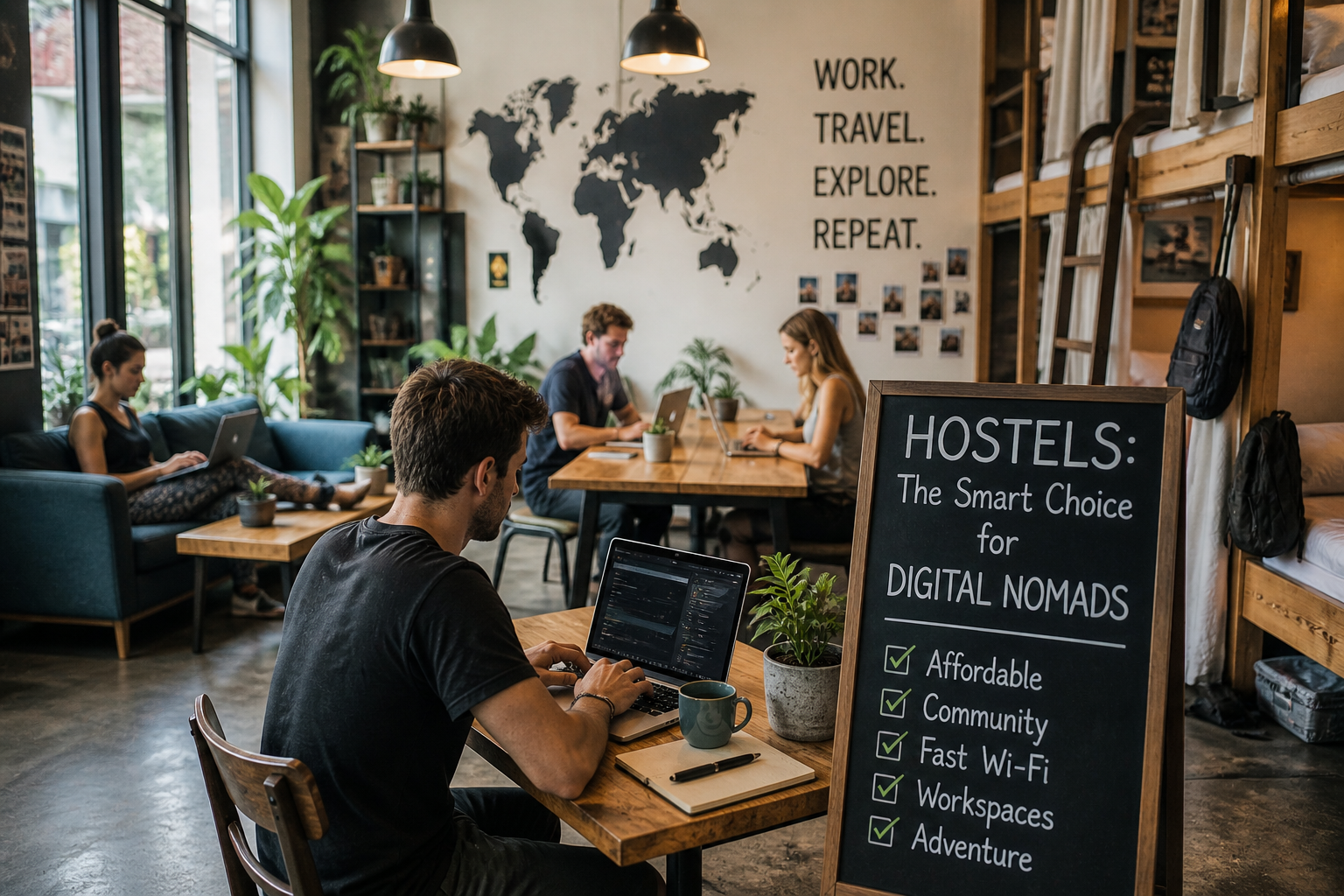
Over the past decade, hostels were often associated with budget travelers, backpackers, and short-term stays. However, the surge in remote work has introduced a different type of guest. Digital nomads are seeking affordability, community, and functionality. These needs align perfectly with what modern hostels are beginning to offer. Instead of simply providing a place to sleep, many hostels are transforming into hybrid spaces that combine accommodation with coworking environments, social networking opportunities, and long-term stay options.
One of the primary reasons for the hostel resurgence is affordability. As inflation and rising travel costs impact global tourism, digital nomads are becoming more budget conscious. Hostels offer competitive pricing compared to hotels and short-term rentals, allowing travelers to extend their stays without compromising their finances. This is particularly appealing to remote workers who prioritize experiences over luxury and prefer to allocate their budget toward exploring destinations rather than accommodation alone.
Equally important is the sense of community. Remote work can often feel isolating, especially for individuals constantly moving between destinations. Hostels provide a built-in social environment where travelers can connect, collaborate, and share experiences. Many hostels now host networking events, workshops, and group activities designed specifically for remote workers. This creates a unique blend of productivity and social engagement that is difficult to replicate in traditional accommodations.
Another factor driving the comeback of hostels is the shift toward “work-friendly” infrastructure. High-speed internet, dedicated coworking spaces, private rooms, and quiet zones are becoming standard features in modern hostels. These upgrades address one of the biggest concerns for digital nomads: reliability. With dependable Wi-Fi and comfortable workspaces, hostels are no longer just a budget option; they are a practical choice for professionals working on the road.
Location also plays a significant role. Many hostels are strategically positioned in city centers, cultural hubs, or near popular attractions. This convenience allows digital nomads to balance work and exploration efficiently. Being able to step out after a workday and immediately access local experiences adds immense value to the overall travel lifestyle.
In addition, the concept of “coliving” has emerged as a natural extension of the hostel model. Coliving spaces often operate similarly to hostels but cater specifically to long-term stays and remote workers. These spaces emphasize comfort, productivity, and community, further blurring the line between hostels and more upscale accommodations. As a result, hostels that adapt to this trend are finding themselves at the forefront of a growing market.
Search trends and travel data also support this shift. Queries related to digital nomad accommodations, coworking hostels, and long-term hostel stays have steadily increased. Travelers are actively seeking environments that combine cost efficiency with social interaction and work-friendly amenities. This demand signals a clear evolution in how hostels are perceived and utilized.
However, not all hostels are benefiting equally. Those that fail to modernize or cater to remote workers risk being left behind. The new generation of travelers expects more than basic amenities. Cleanliness, security, reliable internet, and flexible booking options are now essential. Hostels that invest in these areas are the ones driving the current resurgence.
In conclusion, hostels are indeed making a strong comeback in the post-remote work era. Driven by affordability, community, and improved infrastructure, they are becoming a top choice for digital nomads worldwide. As remote work continues to grow, hostels that adapt to these changing demands will remain highly relevant. Digital nomad travel is not just a trend; it is a lasting shift, and hostels are perfectly positioned to thrive within it.

