
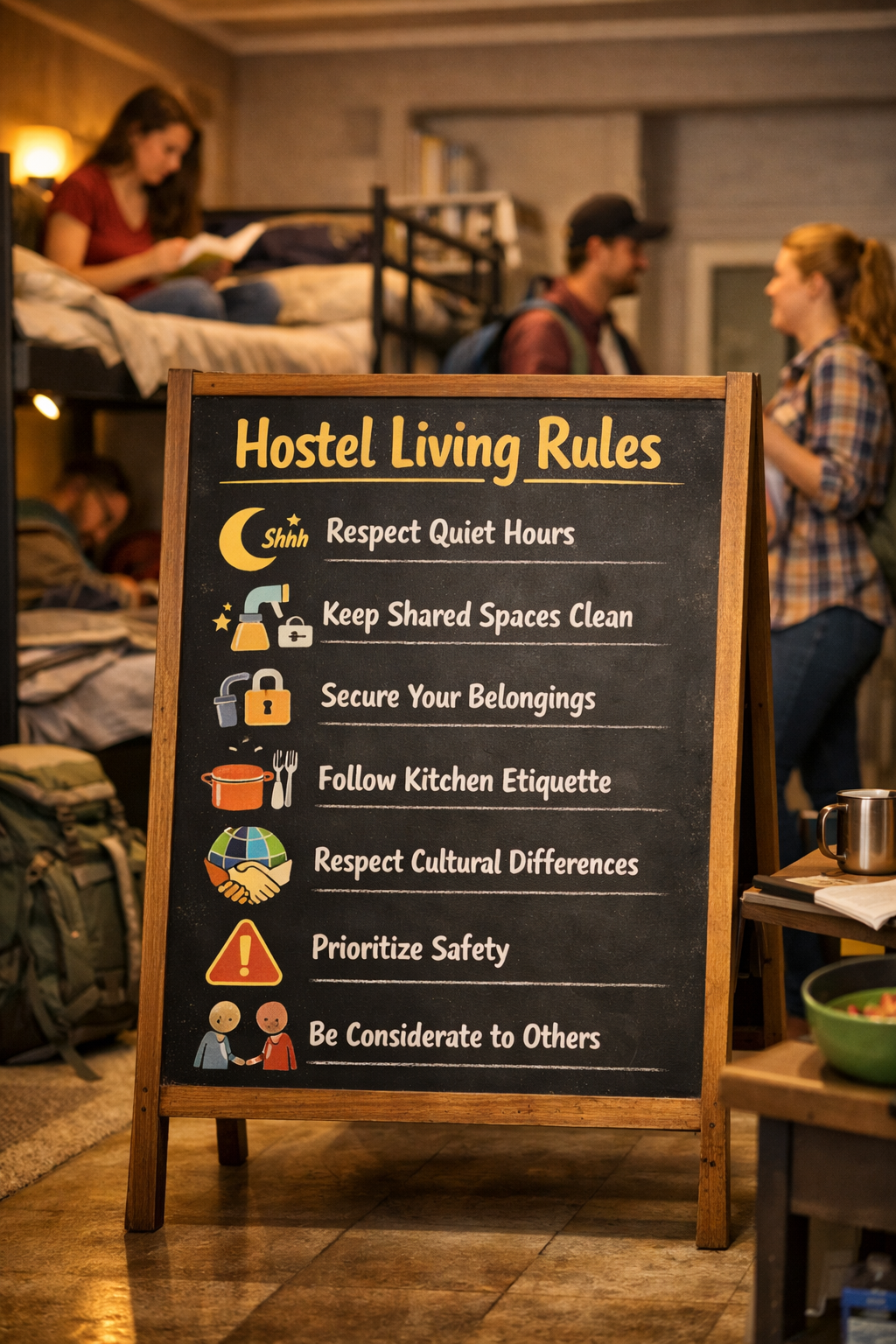
Hostel Rules That Actually Matter
For many travelers, staying in a hostel is one of the best ways to save money, meet people, and experience a destination more authentically. Whether you are a first-time backpacker or a seasoned traveler, understanding hostel etiquette can make your stay more enjoyable and help create a positive environment for everyone.
While every hostel has its own policies, some rules consistently matter more than others. These guidelines are not just about maintaining order. They help ensure safety, cleanliness, comfort, and respect among guests from different cultures and backgrounds. Here are the hostel rules that actually matter — and why they are essential.
Respect Quiet Hours
Quiet hours are one of the most important hostel rules. Most hostels have shared dormitories where guests may be sleeping at different times due to varying travel schedules. Avoid loud conversations, phone calls, or packing your bags late at night. If you need to organize belongings, use a common area instead of disturbing others.
Travelers consistently rate quiet and comfortable sleeping environments as one of the most important aspects of a quality hostel experience. Respecting quiet hours ensures everyone gets the rest they need.
Keep Shared Spaces Clean
Hostels rely on cooperation among guests to maintain clean and welcoming environments. Whether it is the kitchen, bathroom, lounge, or dormitory, cleaning up after yourself is essential. Wash dishes promptly, dispose of trash properly, and avoid leaving personal items scattered around.
A clean hostel improves the experience for everyone and helps staff focus on providing better service rather than constantly addressing preventable messes.
Secure Your Belongings
Most hostels provide lockers or secure storage options. Using them is one of the simplest ways to protect your valuables. While hostels are generally safe, they are communal environments with guests coming and going throughout the day. Keeping passports, electronics, and wallets locked away reduces risk and provides peace of mind.
Bringing a small travel padlock is often recommended. Beyond personal safety, securing belongings fosters a culture of responsibility where everyone respects each other’s property.
Follow Kitchen Guidelines
Hostel kitchens are popular gathering spaces, especially for budget-conscious travelers. However, they can quickly become chaotic if guests ignore basic rules. Label your food, avoid using items that belong to others, and clean cooking surfaces after use.
Food theft is one of the most common hostel complaints. Respecting kitchen policies helps maintain hygiene and prevent conflicts among guests.
Respect Cultural Differences
Hostels are global microcosms. You’ll meet people from different countries, religions, and backgrounds. Respecting cultural differences — from dietary habits to personal space — is crucial. Simple gestures like greeting fellow travelers, being patient with language barriers, and showing openness to different customs can transform the atmosphere into one of inclusivity and warmth.
Prioritize Safety Rules
Every hostel has safety procedures designed to protect guests and staff. These may include emergency exits, smoking bans, visitor restrictions, and identification requirements. Following these rules is not optional. Safety policies exist to ensure that everyone can enjoy their stay with confidence and security.
Ignoring safety regulations — such as blocking hallways or overloading sockets — can put everyone at risk.
Be Considerate With Guests
Some hostels allow visitors, others don’t. When they do, being considerate is key. Guests should never disrupt the community or invade shared spaces. Shared dorms also require mutual respect: keep lights off when others are sleeping, use headphones, and avoid taking up more space than necessary.
Balance Fun and Responsibility
Hostels are social hubs, but they’re also places to rest and study. Balancing fun with responsibility — partying without disturbing others, socializing without monopolizing spaces — keeps the atmosphere vibrant yet respectful.
Positive interactions are often what travelers remember most about their hostel experience.
Final Thoughts
The best hostel rules are not about limiting freedom. They are about creating an environment where travelers can sleep comfortably, socialize respectfully, and feel safe throughout their stay. By respecting quiet hours, maintaining cleanliness, securing belongings, and being considerate of others, guests help create the community atmosphere that makes hostels special.
Understanding and following the hostel rules that actually matter can transform an average stay into a memorable travel experience while helping everyone enjoy the benefits of hostel culture.

