
How industry advocacy, shared standards, and collective knowledge help hostels operate sustainably in North America
Hostels occupy a rare and valuable space in the travel ecosystem. They are places of cultural exchange, community, and accessibility, offering experiences that traditional hotels and short-term rentals simply cannot replicate. Yet that same uniqueness often leaves hostels misunderstood, underrepresented, and exposed to regulatory and operational risks.
In an environment shaped by evolving regulations, rising costs, labor challenges, and increased scrutiny, hostels need more than passion and grit to survive. They need structure, advocacy, and collective strength. This is exactly where the North American Hostel Association (NAHA) becomes essential.
A Purpose-Built Association for Hostels
NAHA is a nonprofit trade association created specifically to serve the needs of hostels and hostel professionals across the United States, Canada, and Mexico. Unlike general hospitality organizations, NAHA focuses exclusively on the realities of communal lodging and budget accommodations.
Its purpose is not branding or marketing hype. NAHA exists to strengthen the industry itself by supporting operators, improving standards, and ensuring hostels are recognized as a legitimate and valuable segment of the travel economy. This clarity of mission is what separates NAHA from informal networks or social media groups.

Advocacy That Protects the Industry
One of the greatest risks facing hostels today is regulatory ambiguity. Many cities and jurisdictions still lack clear definitions for hostels, often grouping them incorrectly with hotels or short-term rentals. This can lead to inappropriate licensing requirements, zoning conflicts, or enforcement actions that threaten operations.
NAHA addresses this by providing a unified voice for hostels. Through collective advocacy, the association helps educate regulators, tourism boards, and policymakers about what hostels are, how they operate, and why they matter. When individual operators speak alone, they are often ignored. When an organized industry speaks together, it is far more difficult to dismiss.
This advocacy is not abstract. It directly impacts a hostel’s ability to operate legally, expand responsibly, and plan for the future with confidence.
Shared Standards That Reduce Risk and Improve Quality
Running a hostel involves unique operational challenges. Shared rooms, communal kitchens, volunteer or work-exchange programs, and high guest turnover all introduce risks that standard hotel playbooks do not address well.
NAHA helps bring alignment around best practices in areas such as safety, guest experience, staff management, and risk mitigation. By encouraging shared standards, the association helps hostels avoid costly mistakes, reduce liability, and improve consistency across the industry.
For newer hostels, this guidance can mean the difference between learning the hard way and starting with proven frameworks. For established operations, it offers a way to benchmark, refine, and evolve.
Collective Knowledge That Accelerates Growth
Every hostel operator faces similar pressures: staffing challenges, seasonality, online reviews, pricing strategies, community relations, and financial sustainability. Solving these problems in isolation is inefficient and often expensive.
NAHA creates structured opportunities for knowledge sharing through community discussions, virtual meetings, and industry events. These are not theoretical conversations. They are practical exchanges between operators who have already navigated the challenges others are facing now.
This collective intelligence allows hostels to move faster, make better decisions, and adapt more effectively to change. Instead of reinventing solutions, members build on what already works.
Building Credibility and Professional Identity
In a competitive travel market, credibility matters. Being part of a recognized industry association signals professionalism, accountability, and long-term intent. It tells partners, vendors, tourism boards, and even local communities that a hostel is serious about operating responsibly.
For staff and managers, association membership also reinforces a sense of professional identity. Hostels are often viewed as informal or temporary operations, despite the complexity involved in running them well. NAHA helps elevate the perception of hostel work as a legitimate and skilled profession.
Events That Strengthen Community and Leadership
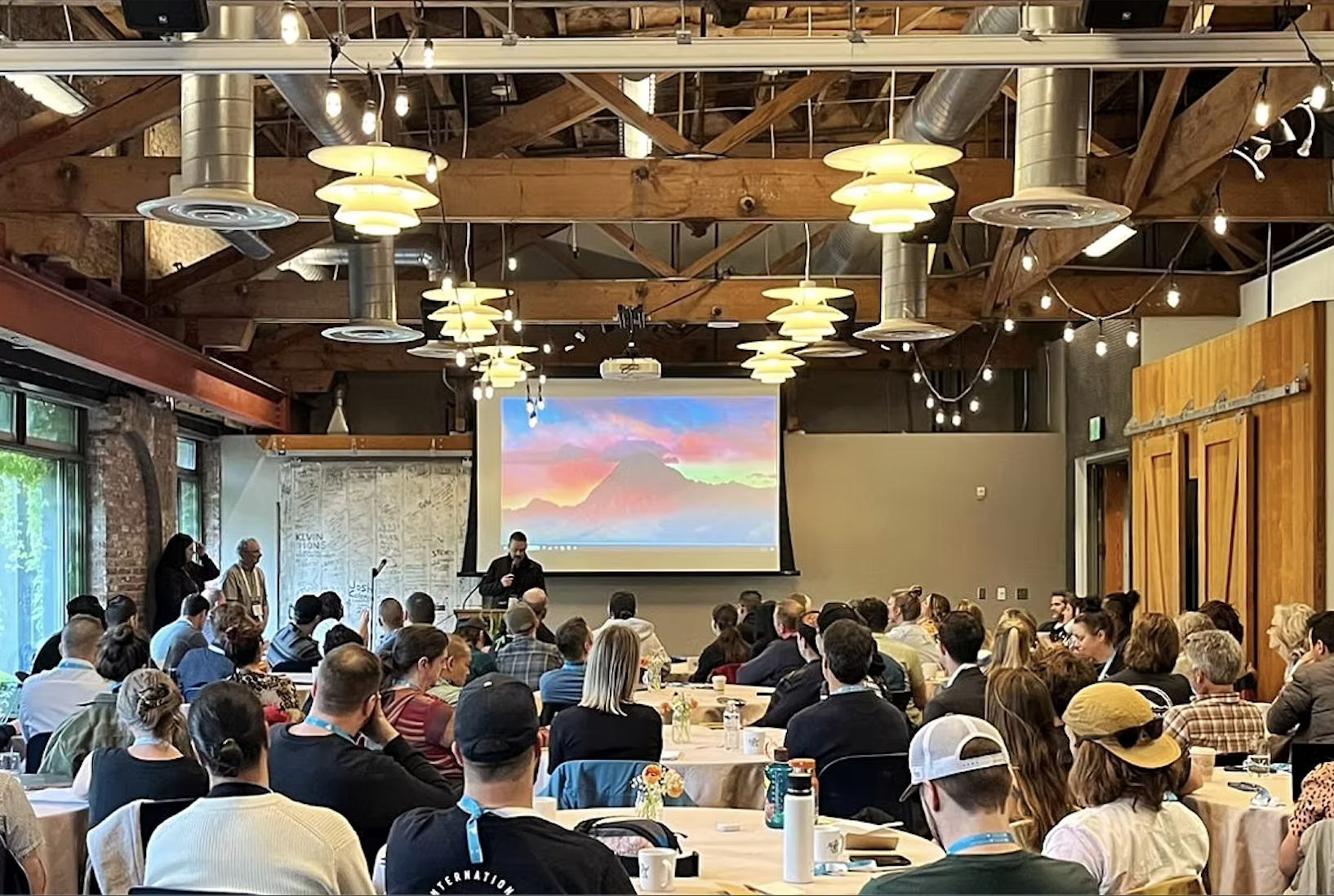
NAHA’s annual conference and ongoing gatherings provide rare opportunities for in-person connection within the hostel industry. These events combine education, collaboration, and relationship-building in ways that online forums cannot fully replace.
Workshops, panels, and informal discussions allow operators to exchange insights, explore new ideas, and build trust with peers. Over time, these relationships form the backbone of a stronger, more resilient industry.
Supporting Long-Term Industry Sustainability
Hostels face pressures from multiple directions: hotel lobbying, platform-driven short-term rentals, rising insurance costs, and shifting traveler expectations. Without coordination, the industry risks fragmentation and reactivity.
NAHA helps hostels think long-term. By focusing on advocacy, standards, collaboration, and shared benefits, the association supports sustainable growth rather than short-term survival. This collective approach ensures that hostels remain viable, adaptable, and relevant as travel continues to evolve.
The Strategic Case for Membership
Operating independently will always be part of the hostel spirit. But independence does not have to mean isolation. In today’s environment, being connected to a professional association is not just beneficial; it is strategic.
NAHA provides hostels with leverage they cannot create alone: a collective voice, shared expertise, professional credibility, and a framework for long-term success. For operators who care about protecting their business and contributing to the industry's future, participation is an investment, not an expense.
Learn more about the North American Hostel Association and how to get involved:
See NAHA site here

