
In recent years, minimalist travel has grown from a niche lifestyle into a mainstream movement. More travelers are choosing to pack lighter, spend less, and focus on meaningful experiences rather than material comforts. At the center of this shift are minimalist living hostels—simple, intentional spaces designed for travelers who value freedom, affordability, and connection.
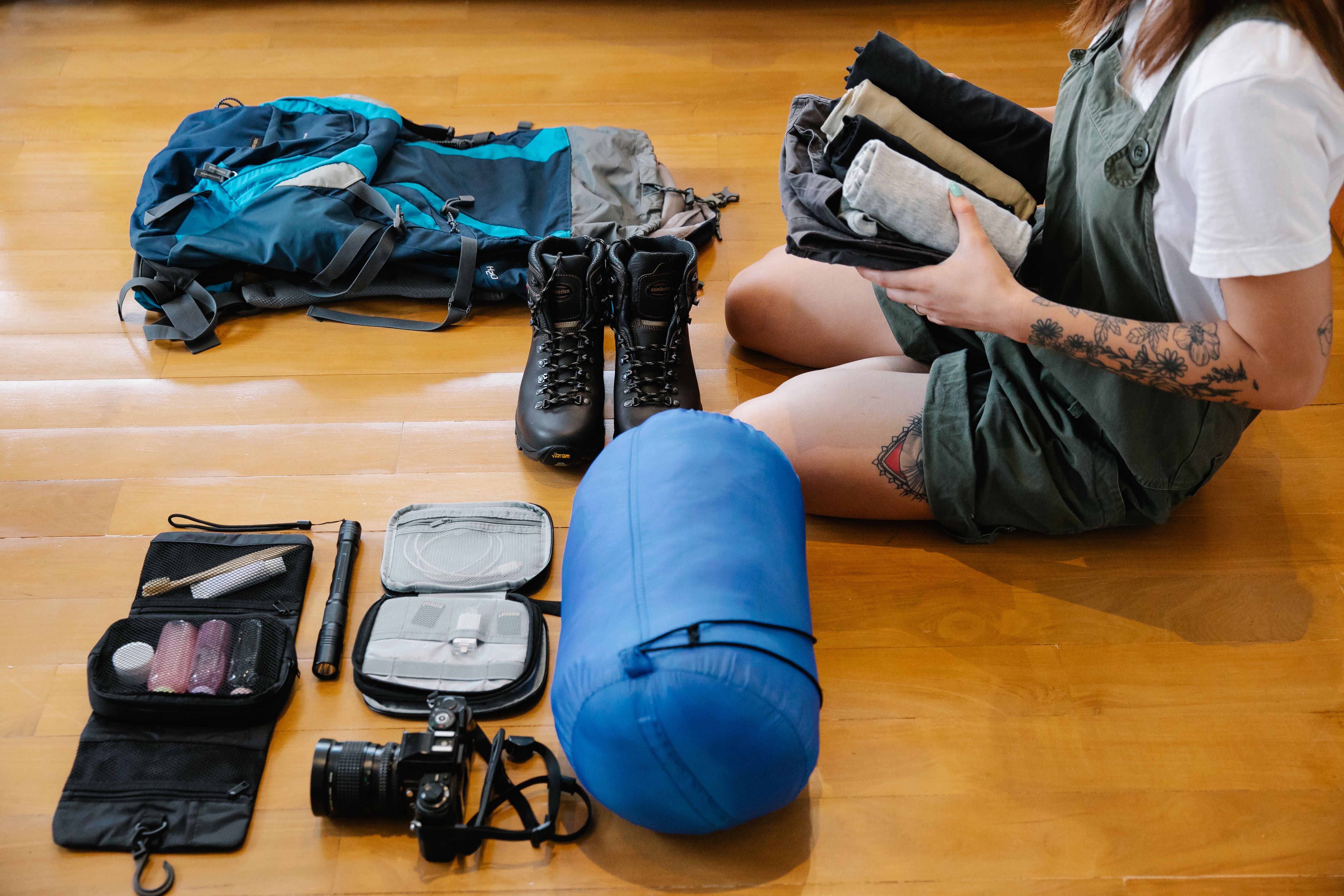
But why are minimalist hostels becoming so popular, and how do they fit into the minimalist travel lifestyle?
What Is Minimalist Travel?
Minimalist travel is the practice of traveling with less. It means carrying only what you need, avoiding overplanning, and focusing on experiences over possessions. Instead of hauling multiple bags, booking luxury accommodations, or filling every hour with activities, minimalist travelers prioritize simplicity.
The goal is to reduce stress, save money, and create space for spontaneity.
This style of travel has gained popularity among digital nomads, backpackers, solo travelers, and even families looking for a more intentional way to explore the world.
Why Minimalist Living Hostels Are the Perfect Fit
Minimalist living hostels align naturally with minimalist travel principles. These hostels are designed around functionality, community, and efficiency.
Unlike traditional hotels or short-term rentals, hostels offer:
- Affordable Accommodation
Budget-conscious travelers often find hostels significantly cheaper than hotels or Airbnb options. This allows travelers to allocate more money toward activities, food, and cultural experiences.
- Functional Spaces Without Excess
Minimalist hostels focus on essentials. Clean sleeping areas, shared kitchens, coworking spaces, and communal lounges provide everything needed without unnecessary extras.This design encourages travelers to appreciate what is necessary while avoiding clutter and waste.
- Stronger Social Connections
One of the greatest benefits of staying in hostels is the built-in community. Shared spaces create opportunities to meet fellow travelers, exchange stories, and build friendships.For minimalist travelers, this social aspect often adds more value than luxury amenities.
How Minimalist Travel Improves the Travel Experience
Traveling minimally is not just about carrying fewer things—it changes the way people experience the world.
When you embrace minimalist travel:
- You move more freely between destinations.
- You spend less time managing your belongings.
- You reduce travel-related stress.
- You become more present in your surroundings.
- You focus on people, culture, and moments.
Minimalist hostels support this by creating environments where simplicity feels natural.
Choosing the Right Minimalist Hostel
Not all hostels are created equal. If you want the best minimalist experience, look for hostels that offer:
- Clean and organized spaces
- Secure storage
- Strong community reviews
- Shared kitchens and social areas
- Convenient locations near public transport
- Reliable Wi-Fi for remote work
The best minimalist living hostels balance simplicity with comfort, making them ideal for long-term travelers and short weekend explorers alike.
The Future of Minimalist Travel

As travel costs continue to rise and sustainability becomes more important, minimalist travel is expected to grow. Travelers are increasingly seeking authentic experiences instead of luxury for luxury’s sake.
Minimalist hostels are positioned perfectly for this future. They promote lower consumption, shared resources, and meaningful human interaction.
For many travelers, the minimalist approach is no longer just a trend—it is a smarter and more fulfilling way to see the world.
FAQs
1. What is minimalist travel?
Minimalist travel is a style of traveling with fewer possessions, simpler plans, and a stronger focus on experiences rather than material things.
2. Why are hostels good for minimalist travelers?
Hostels offer affordable, practical, and community-driven accommodations that align with minimalist values like simplicity, flexibility, and connection.
3. Is minimalist travel cheaper?
Yes. Minimalist travel often reduces costs because travelers spend less on luggage, accommodations, and unnecessary purchases while focusing on essentials.

