
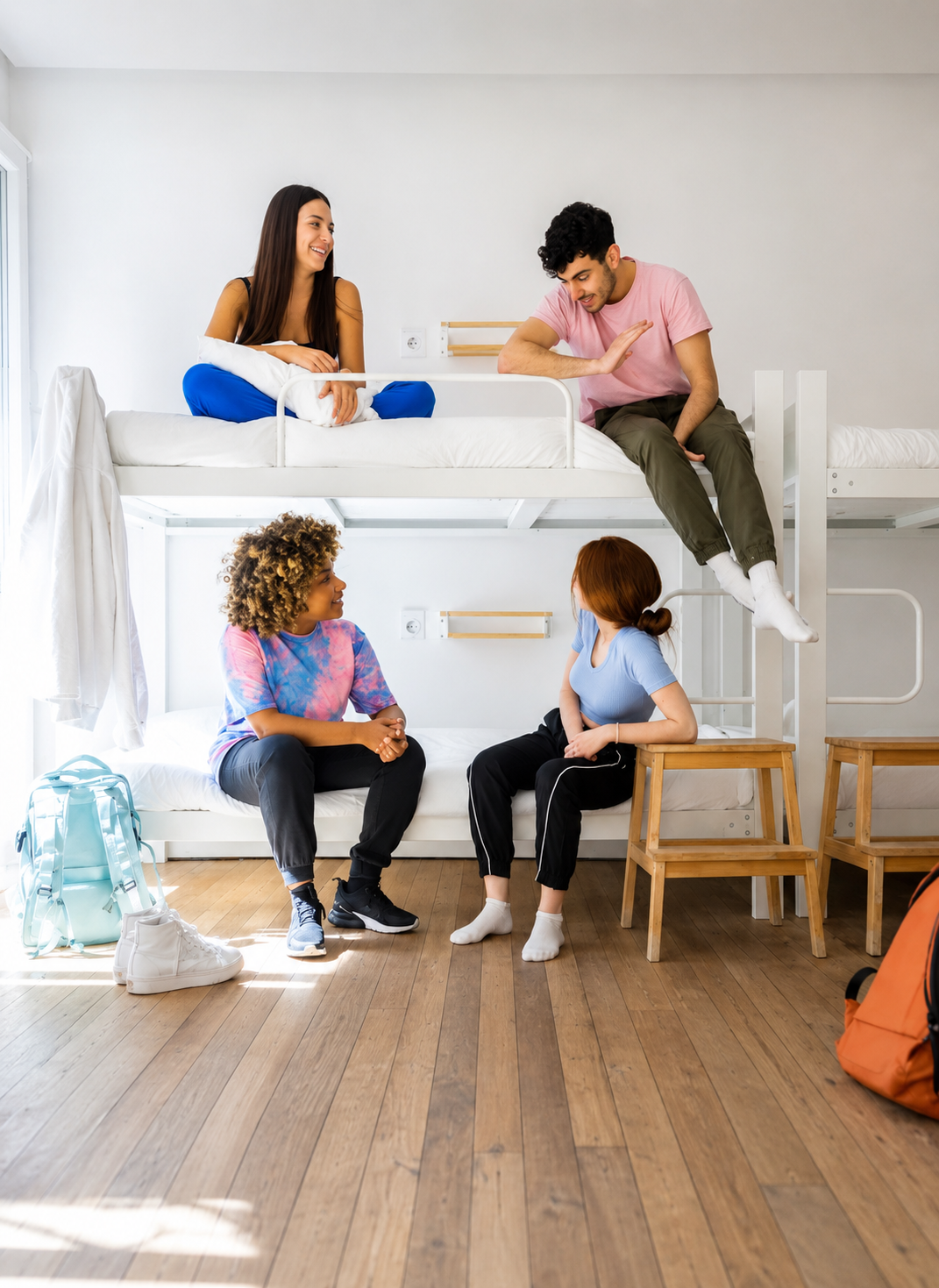
Hostel Design Ideas to Improve Privacy and Maximize Capacity
Designing a hostel is a balancing act between fostering community and ensuring guests have enough privacy to feel comfortable. With the rise of budget-conscious travelers, digital nomads, and long-term backpackers, hostels must evolve beyond traditional dormitory layouts. Smart design choices can maximize capacity while still offering personal space, making your property more appealing and competitive in today’s travel market.
Pod-style beds
Pod-style beds are one of the most effective ways to improve privacy without reducing capacity. Unlike traditional bunks, pods are semi-enclosed sleeping spaces with curtains, built-in lighting, and charging stations. They allow guests to retreat into their own space while still sharing a room, and hostels can often charge premium rates for these upgraded dorm experiences.
Partitioned dormitories
Adding partitions or dividers within dorm rooms creates micro-zones that break up large spaces. Wooden panels, frosted glass, or fabric dividers reduce noise and visual clutter, giving guests a greater sense of privacy while maintaining the same bed count. This cost-effective solution can be implemented during renovations without major structural changes.
Under-bed storage
Efficient storage solutions are critical in hostels. Lockable under-bed storage or built-in lockers keep rooms tidy and secure. This maximizes floor space, reduces the need for bulky furniture, and allows more beds to fit comfortably in a room. Organized storage also improves aesthetics, making dorms feel less crowded.
Multi-functional common areas
Privacy extends beyond sleeping arrangements. Multi-functional common areas with flexible seating, quiet corners, and communal tables let guests choose between socializing or relaxing alone. Adding greenery, acoustic panels, and warm lighting enhances comfort while reducing noise, making these spaces more versatile and appealing.
Natural light and ventilation
Good hostel design prioritizes natural light and airflow. Large windows, skylights, and ventilation systems make rooms feel spacious and less crowded. Bright, airy spaces improve guest satisfaction and reduce the sense of being crammed into a small area. Proper ventilation also contributes to better sleep quality and overall health. Neutral color palettes
Color psychology plays a big role in hostel design. Neutral tones with pops of accent colors create a calm environment that feels less chaotic. A consistent palette across dorms and common areas also strengthens brand identity, which enhances marketing appeal.
Smart technology integration
Modern travelers expect convenience. Smart locks, app-based check-ins, and individual charging stations at each bed enhance privacy and efficiency. Technology streamlines operations, reduces staff workload, and improves guest experience. Digital key cards and automated booking systems are now standard in many successful hostels.
Flexible furniture layouts
Modular furniture that can be rearranged depending on occupancy levels is a game-changer. Foldable beds, movable partitions, and stackable seating allow hostels to adapt quickly to seasonal demand while maintaining guest comfort. This flexibility ensures spaces remain functional and appealing year-round.
Why Privacy Matters in Modern Hostels
Today’s travelers—especially solo adventurers, digital nomads, and remote workers—value privacy more than previous generations of backpackers. While social spaces remain important, guests increasingly seek personal areas where they can rest, work, or recharge. Hostels that provide enhanced privacy often receive better reviews and attract travelers who might otherwise choose hotels or private rentals.
Final Thoughts
The future of hostel design lies in creating spaces that balance community with personal privacy. By embracing pod-style beds, partitioned dorms, smart storage, and flexible layouts, hostel owners can maximize capacity without compromising guest satisfaction. Travelers today seek affordable stays that don’t feel overcrowded, and thoughtful design is the key to achieving this balance.
Hostels that invest in modern design solutions not only increase occupancy but also build stronger brands in an increasingly competitive hospitality market. The most successful hostel designs are those that make guests feel both connected to the travel community and comfortable in their own personal space.

