
How to Partner with Local Tour Operators for Commissions
For hostel managers searching for new revenue streams, the most profitable opportunities are often found just beyond the front door. While beds and room sales remain the foundation of hostel operations, a growing number of properties are discovering that hospitality partnerships with local tour operators can generate meaningful ancillary income while enhancing the guest experience.
After years spent negotiating commercial partnerships across the travel sector, one reality stands out: travelers rarely arrive at a destination looking only for accommodation. They arrive looking for experiences. The hostel that successfully connects guests with trusted local adventures positions itself at the center of the travel journey rather than merely serving as a place to sleep.
The business case for local tour commissions is compelling. Industry sources indicate that hostels and hotels commonly negotiate commissions ranging from ten to thirty percent for tours, activities, and excursions sold through their properties. Hospitality industry analysts have also noted that major online travel marketplaces frequently charge tour operators commissions of twenty to thirty-five percent, creating room for accommodation providers to negotiate competitive referral agreements while still delivering value to local partners.
The most successful hospitality partnerships begin with careful partner selection rather than aggressive commission negotiations. A hostel in a surf destination, for example, gains little from promoting every available activity. Instead, it benefits from identifying a small group of highly reputable operators whose products align with guest interests. A backpacker hostel in San Diego may find stronger results partnering with surf schools, whale-watching companies, and cycling tour providers than attempting to sell a broad catalogue of unrelated excursions.
This approach reflects a larger trend within tourism. Travelers increasingly seek curated experiences delivered through trusted local recommendations. Research into tourism destination networks has shown that accommodations and service providers function as interconnected components within a broader visitor ecosystem, with guest spending frequently flowing through relationships built between lodging operators and local businesses.
The structure of the agreement itself determines whether the partnership becomes a long-term revenue source or a short-lived experiment. The most effective commission arrangements are transparent and measurable. Tour operators should provide referral codes, booking links, or tracking systems that allow both parties to verify sales. Payments are commonly issued monthly, accompanied by booking reports detailing guest referrals and earned commissions.
Revenue sharing should never be the only topic discussed during negotiations. A truly effective partnership delivers benefits to both organizations. The hostel contributes qualified customers, local visibility, and brand exposure. The tour operator contributes memorable guest experiences, marketing support, and often exclusive discounts that strengthen the hostel's value proposition. When both sides view the relationship as a growth partnership rather than a transaction, performance tends to improve significantly.
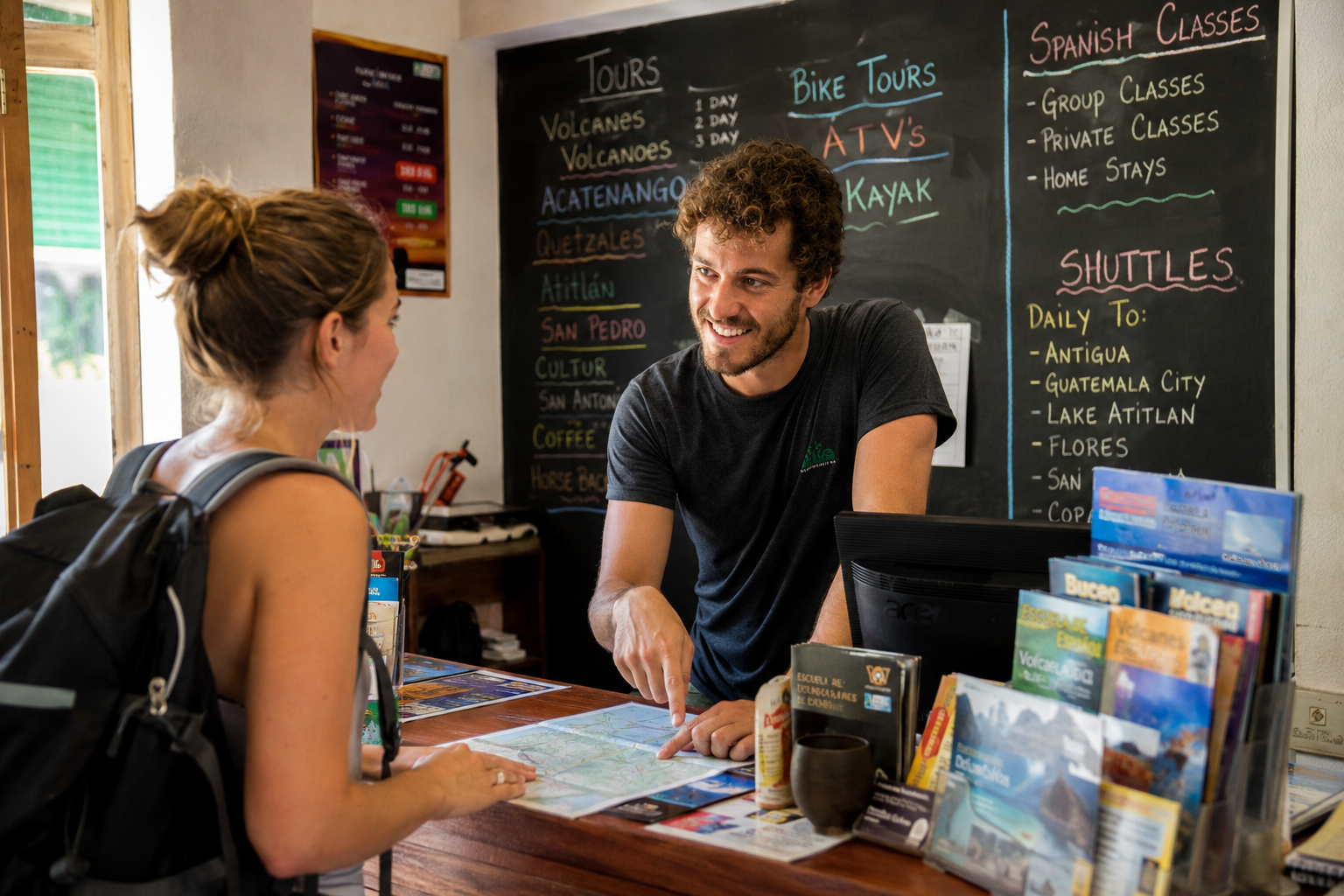
One frequently overlooked opportunity involves packaging. Rather than merely recommending activities after arrival, hostel managers can integrate tours into the booking journey itself. Guests who reserve accommodation can be offered discounted excursions, food tours, hiking experiences, or cultural activities before check-in. Hospitality revenue specialists have long identified bundled experiences as one of the most effective ways for accommodation providers to increase total guest spend while differentiating themselves from competitors.
Trust, however, remains the currency that matters most. A poorly operated tour can damage a hostel's reputation far more quickly than a lost commission can impact profitability. Before entering any agreement, managers should personally evaluate the experience whenever possible. Safety standards, insurance coverage, customer reviews, guide qualifications, and operational reliability deserve close examination. Every referral reflects directly on the hostel brand.
Several successful hostel operators have built substantial activity revenue through dedicated tour desks and front desk sales. Industry discussions among hostel professionals regularly report commission arrangements in the twenty to thirty percent range, with some properties further incentivizing staff through commission-sharing programs that encourage responsible tour sales.
The strongest partnerships evolve beyond commissions. Over time, local operators may provide exclusive guest experiences, co-branded marketing campaigns, social media collaborations, and seasonal packages that strengthen both businesses. In destinations where competition for travelers is intense, these cooperative relationships often create a significant competitive advantage.
For hostel managers focused on sustainable growth, local tour commissions represent more than an ancillary revenue source. They transform the property into a gateway for destination discovery. When guests leave with unforgettable memories, tour operators gain customers, hostels earn additional income, and destinations benefit from a stronger local tourism economy. That is the hallmark of a successful hospitality partnership: everyone wins, including the traveler.
Recap
Successful hospitality partnerships with local tour operators rely on carefully selected partners, transparent commission agreements, reliable tracking systems, and a shared commitment to guest satisfaction. Typical commission structures often range from ten to thirty percent, while bundled experiences and pre-arrival activity sales can further increase revenue. The most profitable arrangements are those that create long-term value for both businesses while enhancing the overall guest experience.

