
How to Eat Healthy and Cheap Using Hostel Kitchens
One of the main allures of staying in hostels is to save money. The social element of hostels is a huge draw for backpackers, as is the low cost of a bunk or private room in a hostel as compared to staying in a hotel. But there’s one thing that can get overlooked during all the fun: eating healthy and cheap.
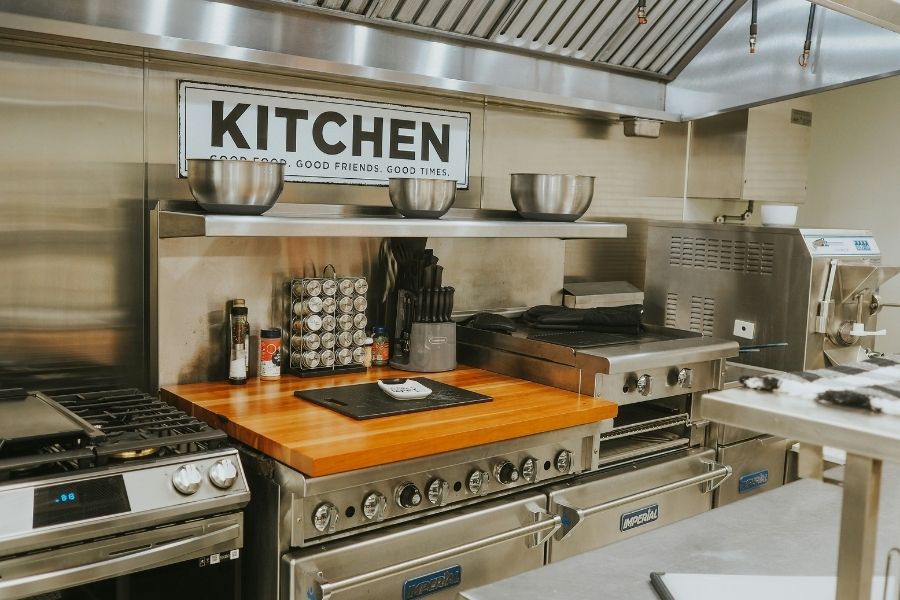
With all the excitement of meeting new people and taking part in many local events and activities, it’s easy to lose track of spending when it comes to eating. One of the best things about staying in a hostel, however, is the fact that nearly all hostels have a kitchen on-site, making it easier to eat well and do so affordably.
Here’s how to eat healthy and cheap using hostel kitchens.
Find the nearest grocery store
It sounds simple, right? But there’s a difference between a grocery store and a convenience store. While it might be quick and seem cheap to pick up snacks or microwavable meals at a corner store, the cost of convenience adds up.
One of the first things I do when arriving at a hostel, and often beforehand, is finding the nearest grocery store. Although not every hostel is within walking distance to a supermarket or grocery store, it’s rare to find somewhere that is too far to reach by foot or via public transit. Finding somewhere that is walkable, moreover, is the real key, as it saves you money and forces you to explore the surrounding areas while even getting a bit of exercise.
Some travelers might roll their eyes at the idea of taking extra time to do a simple chore, but in the end, it’s worth it to find a supermarket or grocery store with the biggest selection so that you can shop for exactly what you need. This is also how you can find some of the best deals. If you’re not excited about walking to the store, check for local bike rentals or ask the hostel if they have any spare bikes hanging around. Otherwise, you can always call a car and book a ride share if you plan to do a big grocery run.
Shop only for what you need
It’s easy to get carried away at the grocery store, especially if you show up fresh off a train or plane ride and are starving. But if you can be selective on what you buy, it’ll save you money down the road by preventing you from having to give away or throw out food. On top of being selective, it’s best if you can shop in small quantities. While making numerous trips to the grocery store during your stay might seem like a tedious chore or waste of time, it’s far more common to see heaps of leftover food in the guest fridge or to find produce that has gone bad because someone didn’t eat it.
Being a savvy shopper requires some thought, so make sure to grab a snack before heading out to avoid overbuying. Plus, it makes those trips a lot easier without worrying about how to carry home all your groceries.
Keep it simple, and shop local if you can
Some of the best meals can be made with simple ingredients. By picking up things like boxed pasta, jarred sauces, cans of beans, eggs, small bags of rice, bushels of greens, nut butters, bread, and fruit like apples, bananas, and grapes, you can put together some creative meals and still hit all of your food groups. While it’s tempting to load up on frozen pizzas and instant noodle cups, the pay-off of eating healthy and skipping out on processed foods is worth it in the long run. That’s not to say you can’t enjoy some of the simple pleasures, but instead of leaning on microwavable dinners, try making something from scratch and adding some snack foods or candy to your basket for late-night munchies.
Also, a quick internet search for local farmers' markets can be one of the best things you can do when you get to a hostel. Often, towns or cities will have weekly farmers' markets, and this is where you’ll find fresh, local food and be able to craft a truly unique meal if you choose wisely.
Pro tip: Search the free bin
This is one of the first places to start, but it’s not always reliable. Hostels often have a ‘free bin’ in their fridge or pantry that is filled with leftover food from previous guests. People are known to overshop and, as a result, can leave some treasures behind. That can range anywhere from leftover alcohol and uncooked meat (check the expioration date and do the sniff-test), to loafs of bread and perfectly good produce. As they say, one person’s trash is another person’s treasure, and that much is true when it comes to staying in hostels and scavenging through the free bins.

