

How Morrison Haslock's local roots, hands-on management, and community connections help Park City Hostel stand out in Utah's competitive mountain destination.
Running a hostel in a mountain destination comes with its own set of challenges. Seasonal demand, changing guest expectations, winter operations, and the need to create memorable experiences all require a flexible approach to hospitality.
For Morrison Haslock, manager of Park City Hostel in Park City, Utah, the journey into hostel management started unexpectedly. Having grown up in the area, she initially joined the hostel team without even knowing exactly what a hostel was. Today, more than five years later, she manages an operation that brings together international travelers, ski enthusiasts, and outdoor adventurers.
In a recent episode of the Hostel Road Trip Podcast, hosted by Bobby Dyer, Morrison shared how she moved from being a local resident to managing a hostel, what makes the property unique, and the operational lessons other hostel managers can learn from her experience.
From Local Resident to Hostel Manager
Morrison's entry into the hostel industry was anything but conventional.
Before working at Park City Hostel, she had never stayed in a hostel. She was already familiar with the neighborhood, however, having grown up around the building where the hostel now operates.
She started as a regular paid staff member and gradually took on more responsibilities. Rather than waiting for management to solve every small problem, she looked for ways to handle situations independently and improve existing processes.
That initiative eventually led her into management when the previous manager left and she was offered the opportunity to step into the role.
Her experience highlights an important lesson for hostel operators: some of the strongest managers develop from within the team. Employees who understand the property, recognize operational challenges, and take initiative can become valuable long-term leaders.

Repurposing a Space Into a Hostel
Park City Hostel officially opened around March 2016, following a development process that began in 2015.
The property was created to address the need for more affordable accommodation in a destination known for skiing and mountain tourism.
Interestingly, the building was not originally designed as a hostel. Its previous uses included a restaurant and office spaces, while its upper floors went through different transformations, including an event space and a board game café.
Some of the original character of the building remains, giving the property a distinctive atmosphere.
With approximately 53 beds, Park City Hostel combines accommodation with shared spaces designed to encourage interaction among guests.
For hostel developers and investors, this is a useful example of how existing commercial properties can potentially be repurposed into accommodation facilities rather than starting every project from the ground up.
Creating a Social Atmosphere Through Shared Spaces
One of the biggest attractions of Park City Hostel is its common area.
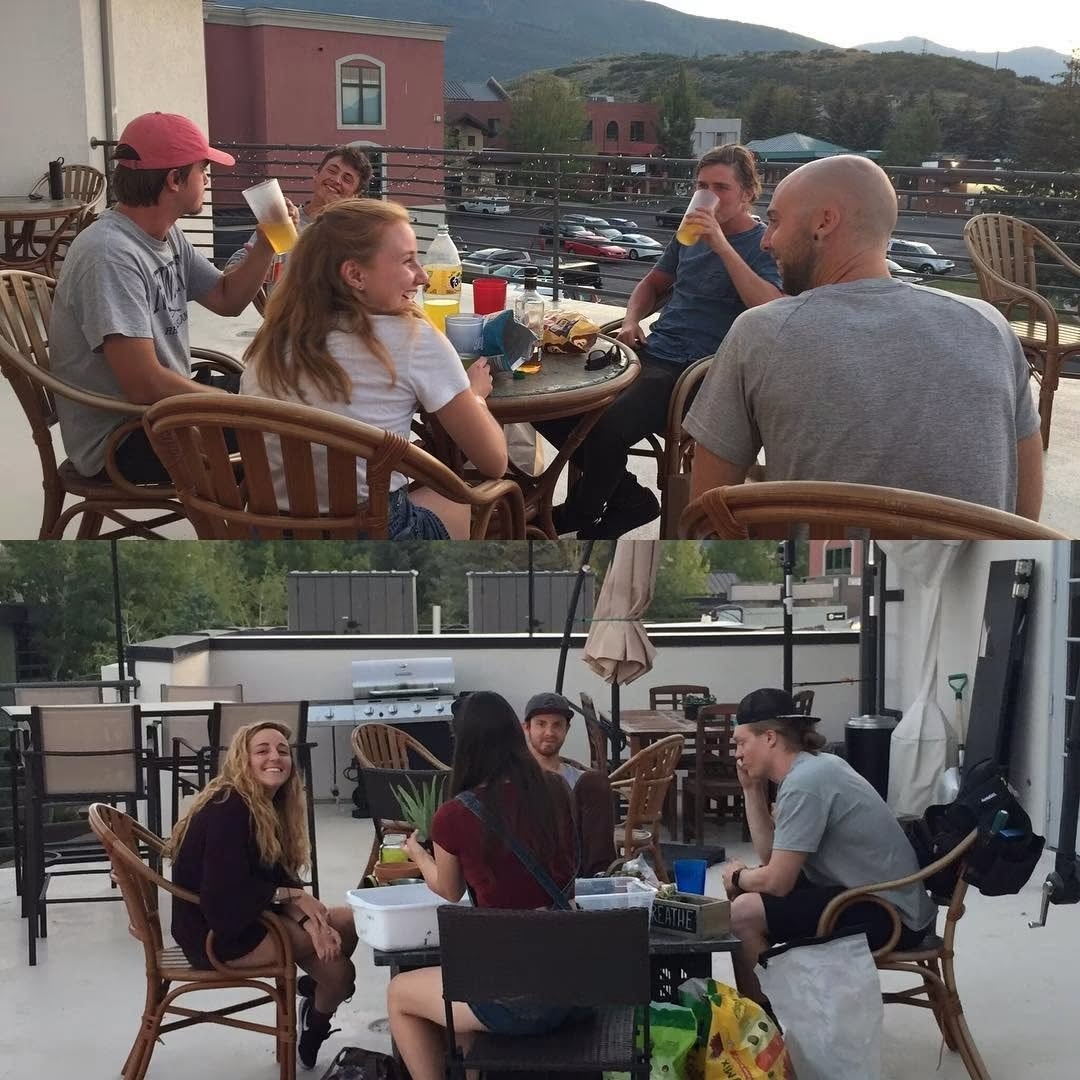
The ground floor includes a shared kitchen, common space, and a small self-service coffee bar. During the winter season, guests often gather to play board games, socialize, watch ski movies, and share their experiences.
The hostel also incorporates creative elements throughout the property, including murals created with the help of local artists.
Its coffee bar is intentionally simple. Guests can prepare coffee, tea, or hot chocolate, with available additions such as creamer, sugar, and honey. Instant oatmeal is also provided as a convenient grab-and-go breakfast option.
Rather than operating a full-service café, the hostel keeps the setup affordable and easy to maintain.
This offers an interesting takeaway for hostel operators: creating opportunities for guests to connect does not always require expensive amenities. Sometimes, something as simple as complimentary coffee and a comfortable shared space can make a difference in the guest experience.
Managing the Challenges of Seasonal Demand
Like many mountain hostels, Park City Hostel experiences significant seasonal changes.
Winter is its busiest period, attracting guests visiting the nearby ski resorts. The ski season generally begins around the first week of December and can extend into April or May, depending on the resort and conditions.
During this period, Morrison's focus shifts toward guest comfort and helping visitors navigate the destination.
Summer brings a different set of opportunities, with mountain biking, hiking, and outdoor activities attracting travelers to the area.
Although summer is not traditionally as busy as winter, Morrison noted that the season has been growing.
The hostel also adjusts its staffing according to demand. During winter, the team typically includes around six people, including at least four volunteers, alongside year-round staff.
For hostel operators in seasonal destinations, this demonstrates the importance of adapting staffing levels, daily priorities, and guest services to match changing occupancy patterns.
Local Knowledge as a Competitive Advantage
One of the strongest advantages Morrison identified is the hostel's connection to the local community.
Both she and the owners have longstanding ties to Park City. This gives the team firsthand knowledge of the destination and allows them to provide recommendations beyond the usual tourist information.
Morrison regularly recommends local experiences, including the PC Hill hike, which is a nearby option for guests looking for a relatively accessible outdoor activity with sunrise and sunset views.
The hostel also builds relationships with local businesses to make guests' stays more convenient.
For example, its proximity to a bike rental business led to a partnership after the rental company noticed that many hostel guests were already asking about mountain bike rentals.
The hostel also connects guests with winter gear rental options near the resort and nearby restaurants that accommodate later arrivals.
These relationships benefit both travelers and local businesses.
The lesson for hostel operators: Pay attention to the questions guests ask most frequently. Those questions can reveal opportunities to build partnerships with businesses that provide services your guests already need.

Flexibility Matters in Hostel Management
When asked what has helped her most as a hostel manager, Morrison shared an important perspective about balancing operational responsibilities with guest interaction.
She explained that she sometimes gets caught up in details, organization, and daily tasks. However, there are moments when it is more important to put those tasks aside and spend time with guests.
For example, a pile of laundry can sometimes wait when guests are looking for recommendations, activities, or someone to talk to.
This is a reminder that hostel management is not simply about keeping operations running smoothly. It is also about creating an environment where guests feel welcome and connected.
Park City Hostel organizes occasional activities such as movie nights and pub crawls, depending on staffing and occupancy. These activities help encourage social interaction, particularly during the busy winter season.
What Other Hostel Operators Can Learn From Park City Hostel
Morrison's experience offers several practical lessons for hostel owners and managers:
1. Develop your team from within.
Look for employees who take initiative, solve problems independently, and actively suggest improvements. These team members can become future leaders.
2. Make the most of existing properties.
Park City Hostel demonstrates how a building with a different commercial history can be transformed into a hospitality business.
3. Create affordable social experiences.
Shared coffee facilities, board games, movie nights, and comfortable common areas can help build a strong hostel atmosphere without requiring major investments.
4. Adapt operations to seasonal demand.
Adjust staffing, activities, and guest services according to the needs of each season.
5. Build relationships with local businesses.
Connect with equipment rental providers, restaurants, transportation services, and other businesses that can improve the guest experience.
6. Remember that hospitality is about people.
Operational efficiency is important, but making time for guests can be just as valuable as completing daily tasks.
Looking Ahead: Stronger Connections Within the Hostel Industry
Beyond her work at Park City Hostel, Morrison is also involved with the North American Hostel Association (NAHA). She shared that she has become more active in the organization and looks forward to continuing that involvement.
Her experience reflects the importance of collaboration and knowledge-sharing among hostel professionals.
Whether operating in a mountain town, beach destination, or major city, hostel managers face many similar challenges. Learning from other operators and sharing practical experiences can help strengthen the industry as a whole.
Park City Hostel's story is a reminder that a successful hostel is not defined by its beds alone. It is shaped by the people managing it, the community surrounding it, and the experiences created for travelers.
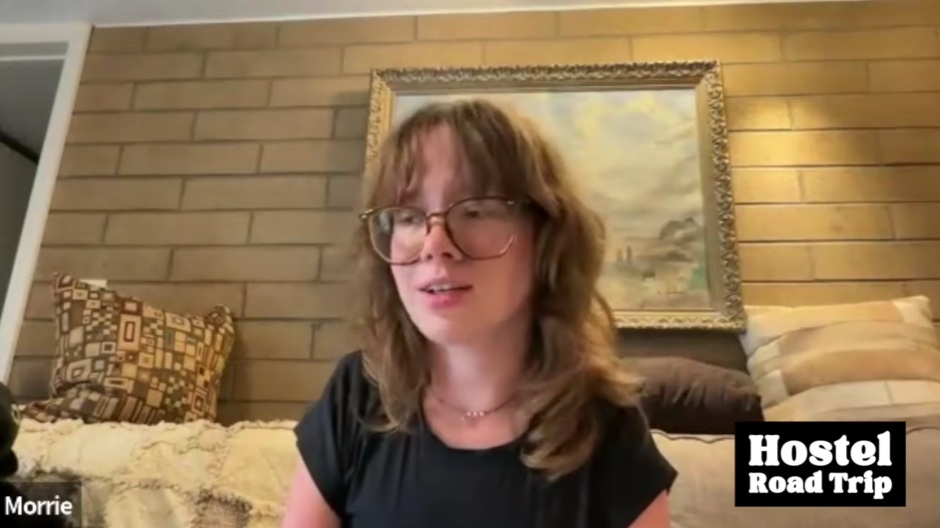
Listen to the Full Podcast Episode
Want to hear more about Morrison's journey and the day-to-day realities of managing a mountain hostel?
Listen to the full conversation with Bobby Dyer on the Hostel Road Trip Podcast.
Featured Hostel: Park City Hostel
Podcast: Hostel Road Trip

Join the HostelManagement.com Community
Are you a hostel owner, manager, or hospitality professional? Connect with other industry professionals, exchange operational advice, discover business opportunities, and learn from real experiences shared by hostel operators across the world.

