
The Rise of Experience-Based Travel
Travel is no longer just about visiting famous landmarks or checking destinations off a bucket list. Today’s travelers are increasingly seeking meaningful, immersive, and memorable experiences that allow them to connect with local cultures, people, and traditions. This shift has fueled the rise of experience-based travel, one of the fastest-growing trends in the global tourism industry.
What Is Experience-Based Travel?
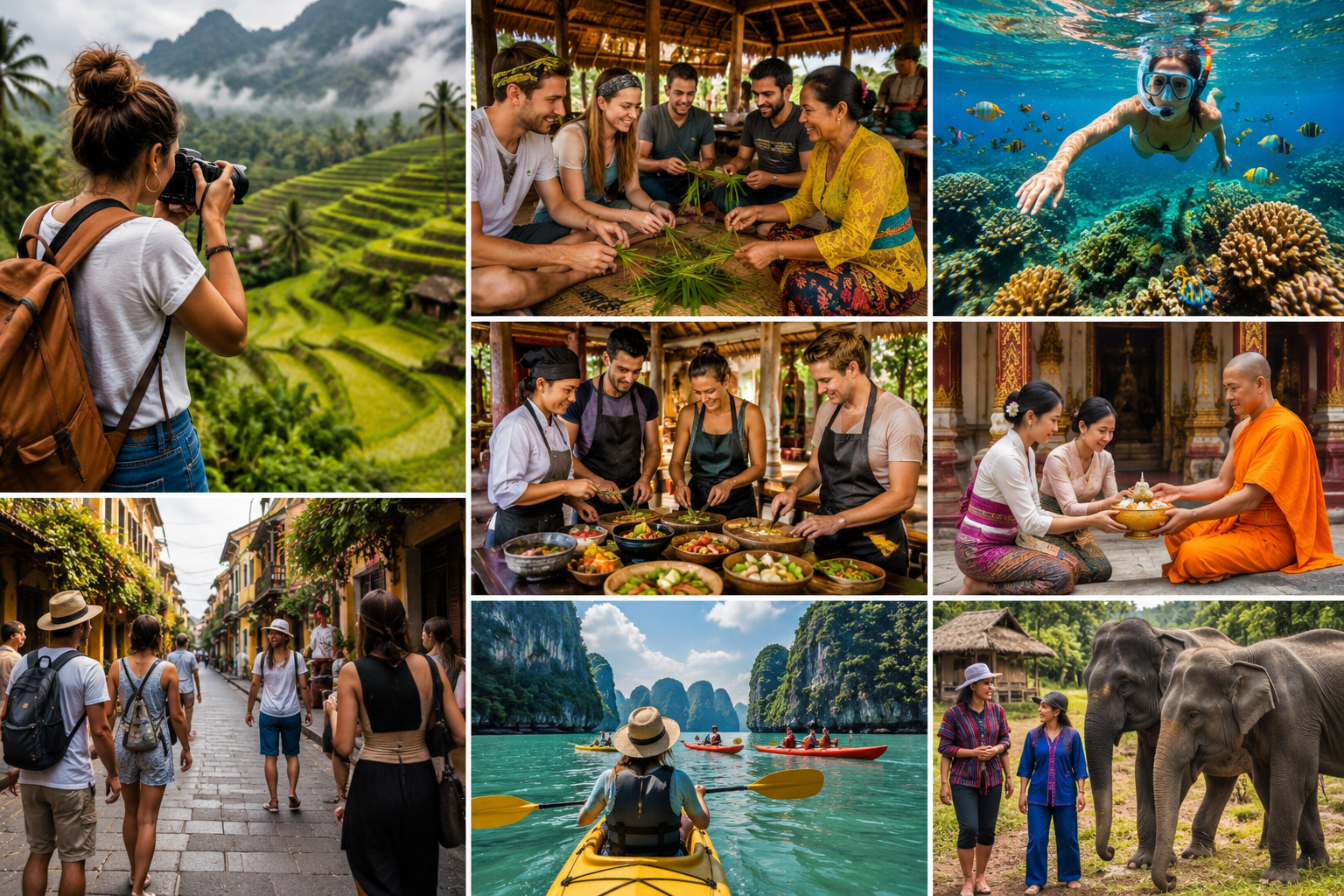
Experience-based travel focuses on what travelers do rather than simply where they go. Instead of spending an entire trip taking photos at popular attractions, travelers are choosing activities that create lasting memories. From learning traditional cooking techniques in Italy and participating in cultural festivals in Japan to volunteering in local communities and exploring hidden neighborhoods with local guides, modern travelers want authentic experiences that go beyond sightseeing.
Why Younger Generations Lead the Trend
One of the key reasons for the growth of experience-based travel is the changing mindset of younger generations. Millennials and Generation Z value personal growth, cultural immersion, and unique stories they can share. They are less interested in luxury for its own sake and more focused on experiences that feel genuine and meaningful. Travel decisions are often influenced by opportunities to learn new skills, meet local people, and gain a deeper understanding of a destination.
The Role of Social Media
Social media has played a significant role in the rise of experience-based travel. While iconic landmarks still attract visitors, many travelers are inspired by content that showcases unique and authentic activities. A video of a traveler harvesting grapes at a family-owned vineyard or learning traditional crafts from local artisans can be more appealing than another photo of a crowded tourist attraction. Travelers increasingly seek experiences that help them create personal stories rather than simply collect pictures.
Building Cultural Connections
Another important factor driving this trend is the desire for deeper cultural connections. Travelers today want to engage with local communities and understand how people live, work, and celebrate. Food tours, cultural workshops, homestays, and community-led experiences provide opportunities to build these connections. Such activities often create more meaningful memories than traditional tourism because they involve active participation rather than passive observation.
Hospitality Industry Response
The hospitality industry has responded quickly to this shift. Hotels, hostels, tour operators, and travel companies now offer curated experiences designed to help guests connect with destinations in more authentic ways. Hostels, in particular, have become popular hubs for experience-based travel because they often organize local tours, social events, cultural exchanges, and adventure activities. These experiences encourage interaction among travelers and locals while fostering a sense of community.
Sustainability and Responsible Tourism
Sustainability is another reason experience-based travel continues to gain popularity. Many travelers are becoming more conscious of their environmental and social impact. Instead of supporting mass tourism, they are choosing locally owned businesses, community-based tourism initiatives, and small-group experiences. This approach helps distribute tourism revenue more directly to local communities while preserving cultural heritage and reducing the negative effects of overcrowding.
Technology and Accessibility
Technology has made it easier than ever to discover and book unique experiences. Online platforms allow travelers to connect directly with local guides, artisans, chefs, and community organizations. This accessibility has expanded the range of experiences available and made authentic travel opportunities more visible to global audiences.
The Future of Experience-Based Travel
Looking ahead, the demand for experience-based travel is expected to continue growing. Travelers are increasingly prioritizing personal enrichment, cultural understanding, and memorable moments over traditional tourism models. Destinations and businesses that focus on authenticity, local engagement, and meaningful experiences are likely to thrive in this evolving travel landscape.

