
The Best Neighborhoods in Tokyo for Cheap Eats and Hostels
Tokyo has long carried the reputation of being one of the world’s most expensive cities, a place where visitors expect every meal to drain their wallets and every hotel room to demand luxury rates. Yet the reality is far more nuanced. For travelers who know where to look, Tokyo can be surprisingly affordable. The secret lies not in avoiding the capital altogether, but in choosing the right neighborhoods. By staying in districts that balance inexpensive hostels with local dining culture, budget travelers can experience Tokyo’s energy without financial strain.
According to the Japan National Tourism Organization, hostel and guesthouse beds can still be found for ¥2,000–¥3,500 per night, while inexpensive dining remains widely available across the city. The trick is geography. East Tokyo consistently delivers better value than the western entertainment hubs of Shibuya or Shinjuku. In Asakusa, Ueno, Kanda, and Ikebukuro, affordability is woven into the urban fabric, offering a tactical blueprint for those searching where to stay Tokyo budget and cheap eats Tokyo.
Asakusa stands as the undisputed champion of budget travel. Centered around the historic Senso-ji Temple, the district offers dorm beds from around ¥3,000, capsule hotels at even lower rates, and a food scene that feels refreshingly local. Instead of paying tourist premiums in fashionable districts, travelers here graze through melon bread, ningyo-yaki cakes, croquettes, and soba noodles along Nakamise Street and Hoppy-dori. A full afternoon of sampling street snacks often costs less than a single sit-down meal in Shibuya. The Ginza Line and Toei Asakusa Line connect directly to major districts, ensuring that affordability does not come at the expense of access.
A short ride north, Ueno provides a different but equally compelling version of budget Tokyo. The neighborhood’s defining feature is Ameyoko Market, a corridor of seafood stalls, discount bento vendors, and standing bars tucked beneath the railway tracks. Meals here rarely exceed ¥1,000, and the atmosphere is gritty, lively, and distinctly local. Hostels and business hotels near Ueno Station remain among the cheapest private room options in the city, often ¥5,000–¥7,000 per night. Ueno’s transport links, including direct access to Narita Airport, make it a strategic base for travelers who want to stretch their yen while maintaining mobility.
Kanda, nestled between Tokyo Station and Akihabara, is one of the city’s most underrated value districts. Historically serving office workers rather than tourists, Kanda thrives on commuter-driven dining. Salarymen crowd into ramen counters, curry shops, and izakaya taverns, keeping prices competitive. For travelers, this means authentic meals at commuter rates, often well under ¥1,000. Accommodation here benefits from centrality without the inflated premiums of neighboring Ginza or Marunouchi, making Kanda a tactical choice for those who want proximity to Tokyo’s core at a fraction of the cost.
Ikebukuro, northwest of the city center, offers another compromise. Its massive station rivals Shinjuku in scale, but accommodation prices are generally lower. Hostels and business hotels here cater to students and domestic travelers, keeping rates accessible. The surrounding streets are lined with casual dining chains, ramen shops, and izakaya that serve residents rather than tourists. For travelers who want urban energy without Shinjuku’s price tag, Ikebukuro delivers a vibrant yet affordable alternative.
Perhaps the most overlooked tactic for budget travelers is to eat where commuters eat. Tokyo’s railway stations are culinary ecosystems, filled with standing soba counters, beef bowl chains, bakeries, and curry shops designed for speed and value. These establishments rarely appear in guidebooks, yet they consistently deliver meals for ¥300–¥700. For those willing to embrace the rhythm of local life, station dining is one of the most effective ways to keep food costs low while experiencing Tokyo’s everyday culture.
The narrative of Tokyo as prohibitively expensive collapses when viewed through the lens of neighborhood selection. East Tokyo offers lower accommodation costs, cheaper dining, and cultural attractions that often require little or no admission fee. Experienced travelers have long embraced this formula: stay in Asakusa or Ueno, explore the city’s highlights, and return each evening to districts where your budget stretches further.
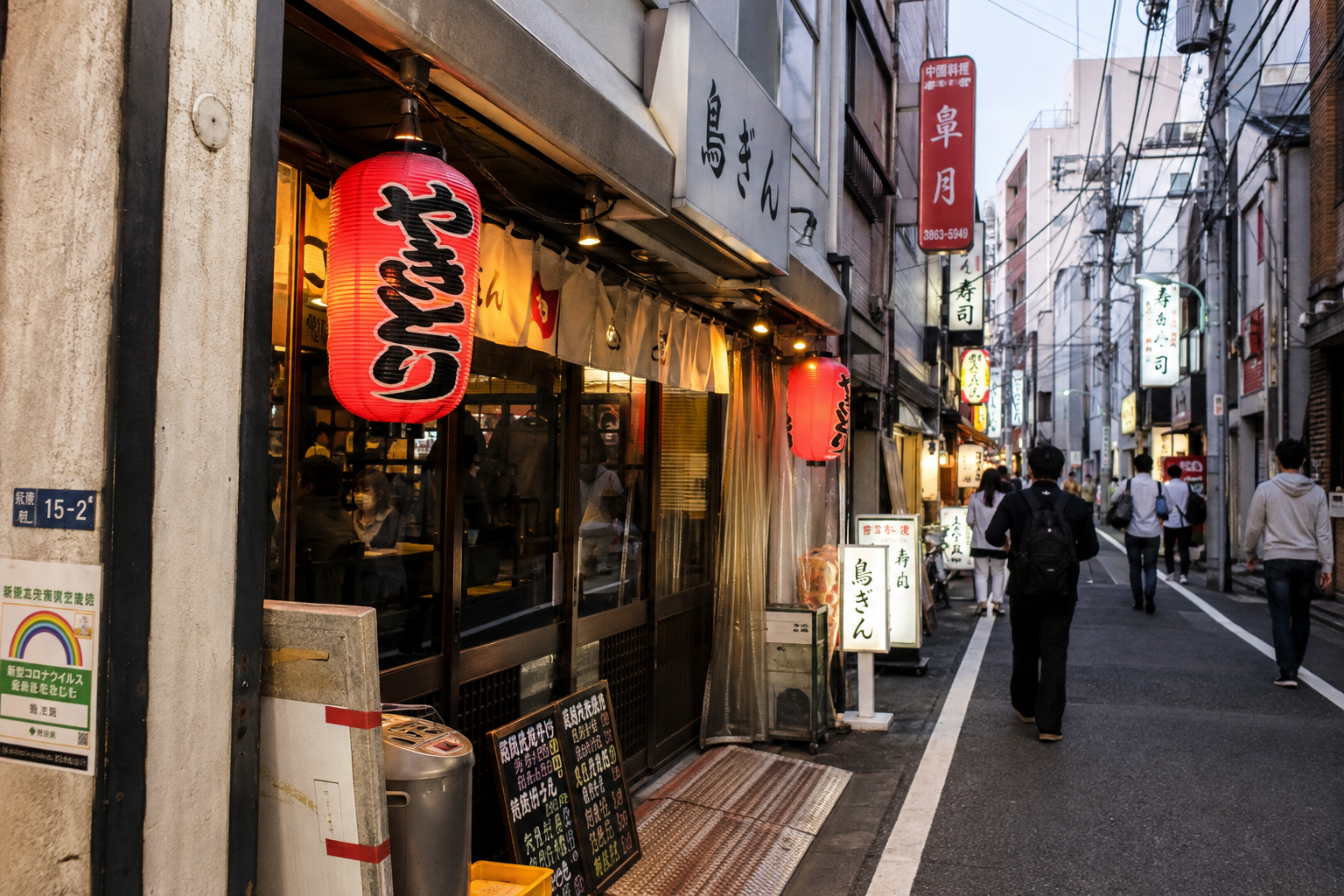
Tokyo remains one of the world’s great urban destinations not because it is cheap, but because it offers extraordinary value. Few global capitals allow travelers to sleep in clean hostels, eat memorable meals for a handful of yen, and access world-class attractions through one of the planet’s most efficient transit systems. The key is knowing where to look. For those pursuing affordable adventure, the answer lies in the lantern-lit streets of Asakusa, the market alleys of Ueno, the commuter corridors of Kanda, and the energetic avenues of Ikebukuro. These neighborhoods reveal a Tokyo that is not intimidatingly expensive, but surprisingly welcoming to disciplined budget travelers.
Recap
For cheap eats Tokyo and hostels, Asakusa is the clear winner, offering the best balance of affordability, atmosphere, and transport. Ueno provides market-driven savings and cultural attractions, while Shinjuku and Shibuya deliver energy and nightlife at a higher cost. Budget travelers should anchor themselves in Asakusa or Ueno, using their savings to explore Tokyo’s pricier districts without financial strain.

