
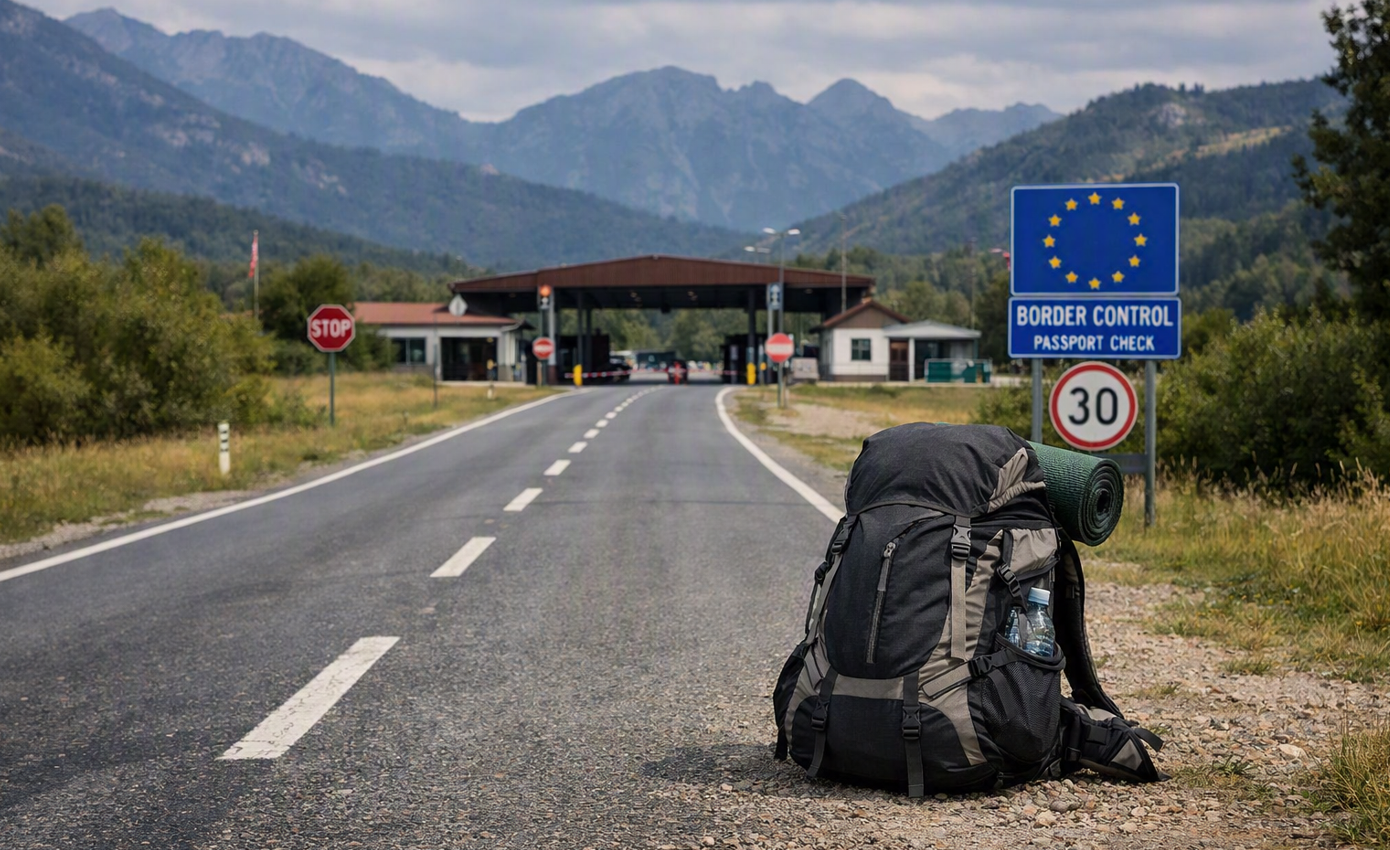
Managing Visas and Border Crossings as a Nomad
For the long-term traveler, the most formidable challenge is not the cost of a train ticket or the reliability of a hostel bed. It is the calendar. Every passport stamp, visa validity date, and departure deadline forms a legal ledger that immigration officers scrutinize with precision. For nomads moving across borders by land, bureaucratic survival skills are as essential as a sturdy backpack.
Understanding Visa Categories
The foundation of long term travel visas lies in recognizing that not all entry permissions are created equal. Visa-free regimes, such as the Schengen area’s 90-day rule, operate on rolling calendars that demand careful calculation. Visa-on-arrival systems, common in Southeast Asia, often require cash payments and passport photos at land crossings. Meanwhile, eVisas, increasingly adopted by countries like Vietnam and Turkey, demand online applications in advance and printed approval letters. Each system carries risks: overstaying a visa-free allowance can trigger bans, while missing paperwork at a border post can mean outright refusal.
The United States illustrates the critical distinction between visa validity and authorized stay. A visa permits entry to a port of arrival, but the immigration officer decides how long the traveler may remain. A visa valid for years may yield only a few months of authorized stay per visit. This nuance underscores the importance of recording the actual departure deadline immediately upon entry. Immigration systems are built on records, not intentions.
The Mathematics of Travel
Long-term travel often becomes a mathematical exercise. The Schengen rule — 90 days within any 180-day period — applies across all participating countries. A traveler who spends thirty days in France, twenty in Germany, and forty in Italy has exhausted their allowance, regardless of border crossings. The European Commission’s official calculator confirms this rolling system, and overstays can result in fines or bans. For nomads, itineraries must be constructed around immigration zones rather than geographic convenience.
Visa Runs and Extensions
The practice of a visa run — exiting and re-entering a country to reset a stay period — remains a lifeline but is increasingly restricted. Thailand now limits land border entries to two per year for visa-exempt travelers, while Cambodia continues to allow unlimited re-entries. Malaysia offers extensions at immigration offices before requiring a border hop. These evolving rules highlight the importance of consulting official immigration websites rather than relying on outdated anecdotes.
Extending a tourist visa requires foresight. Applications often demand justification, supporting documents, and fees submitted before the original permission expires. Overstaying can trigger fines, deportation, or bans lasting years. Immigration authorities also scrutinize repeated border runs, viewing them as attempts to live in a country under visitor status. The United Kingdom explicitly prohibits successive visits designed to create de facto residence.
Border Crossing Survival Skills
Effective border crossing tips begin long before reaching the checkpoint. Passports must typically hold six months’ validity, and onward travel documentation is often required. Airlines enforce these rules rigorously, with the International Air Transport Association estimating that documentation errors cost carriers USD 300 million annually. Health certificates, from Yellow Fever to COVID-19, may still be demanded depending on the region.
Documentation should align with the declared purpose of travel. If a traveler claims tourism, their accommodation records, onward tickets, and financial evidence should support that narrative. Digital copies of visas and insurance can help, but not all border posts accept electronic evidence in place of originals.
Regional Realities
In Europe, the Schengen calculator ensures compliance with the 90/180-day rule. In Southeast Asia, border posts like Poipet between Thailand and Cambodia remain popular for day-trip visa runs, though informal “processing fees” complicate the process. In Africa, eVisa systems in Kenya and Ethiopia streamline entry but require reliable internet access and advance planning. Each region demands tailored strategies blending legal compliance with practical foresight.
Risks and Red Flags
Overstaying visas can result in fines, deportation, or bans lasting years. Repeated visa runs may trigger suspicion and secondary questioning. Corruption at land borders remains a reality, with unofficial fees surfacing in places like Laos or Central America. Sudden policy shifts, such as Thailand’s tightening of land entry rules in 2024, can catch travelers off guard. The safest defense is documentation: printed eVisa approvals, onward tickets, and proof of funds.
The Final Conversation
Ultimately, immigration officers hold the authority to decide admissibility. The U.S. government explicitly states that possessing a visa does not guarantee entry. Travelers should answer questions truthfully, know their itinerary, and avoid improvising misleading responses. Immigration is not an argument to win; it is a process to navigate with clarity and preparation.
Recap
Successful nomadic travel depends on understanding the difference between visa validity and authorized stay, calculating permitted days with precision, researching extension procedures before deadlines, preparing documentation for border scrutiny, and verifying requirements through official immigration sources. The safest journey is not the most spontaneous one, but the one where the traveler already knows the rules.

