
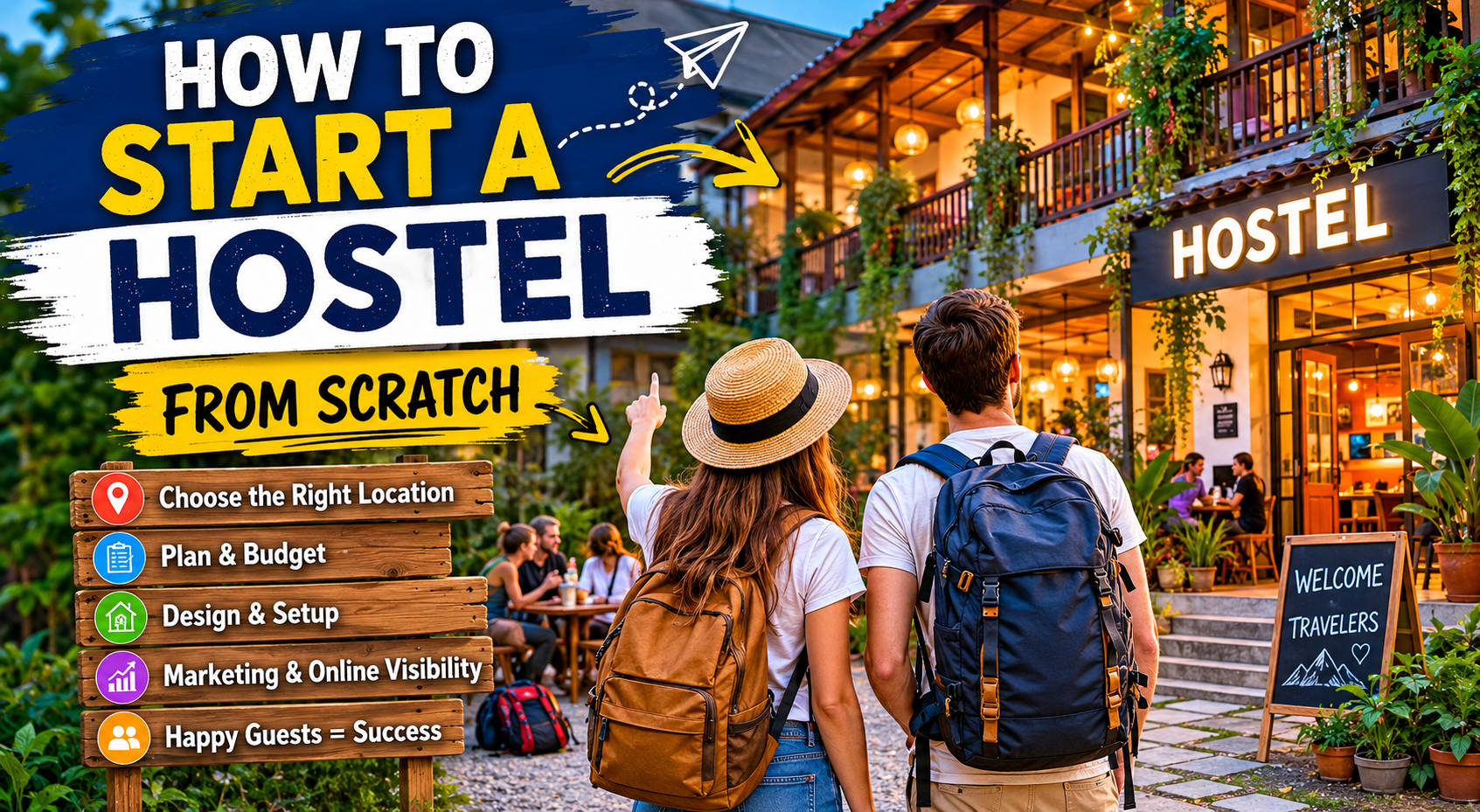
How to Start a Hostel from Scratch
The global travel industry is constantly evolving, and hostels have become one of the most dynamic sectors, attracting backpackers, digital nomads, solo travelers, and budget-conscious tourists. For entrepreneurs passionate about hospitality and travel culture, starting a hostel from scratch can be both a profitable business opportunity and a rewarding lifestyle. While the process requires planning, investment, and patience, the right strategy makes it achievable.
Define Your Vision and Concept
Every successful hostel begins with a clear vision. Decide what kind of experience you want to offer:
• Budget-friendly lodging: Affordable dorms for backpackers and students.
• Boutique hostel: Stylish interiors paired with community-driven spaces.
• Eco-friendly hostel: Sustainable operations appealing to environmentally conscious travelers.
• Digital nomad hub: Coworking areas and reliable Wi-Fi for remote workers.
Your concept will influence everything from design to marketing, so define your identity early.
Choose the Right Location
Location is the backbone of hostel success. Look for areas with:
• Tourist attractions nearby to draw steady guests.
• Public transport access for convenience.
• Safety and walkability to ensure guests feel secure.
Urban centers, university towns, beach destinations, and popular backpacking routes are prime spots. Research local tourism trends, seasonal demand, and competition before securing a property.
Plan Infrastructure and Design
Hostels thrive on shared spaces and community vibes. Essential elements include:
• Dormitory rooms with bunk beds for affordability.
• Private rooms for couples or remote workers.
• Common areas like lounges, kitchens, or rooftop terraces.
• Secure storage such as lockers for guest belongings.
Interior design plays a major role in guest satisfaction. Comfortable beds, clean bathrooms, coworking areas, and inviting social spaces can transform a stay. Small touches—local artwork, plants, and lighting—create a memorable atmosphere.
Handle Legal and Financial Requirements
Before opening, ensure compliance with local laws:
• Business permits and licenses.
• Safety regulations including fire exits and emergency plans.
• Insurance coverage to protect your investment.
A detailed financial plan should outline startup costs, operating expenses, pricing strategy, and projected revenue. Consulting an accountant or legal advisor can simplify this stage.
Build Your Online Presence
Visibility is everything in the digital age. Focus on:
• SEO optimization for your website.
• Booking platforms like Hostelworld, Booking.com, and Airbnb.
• Social media marketing to engage travelers.
• High-quality photography to showcase your property.
Guest reviews are critical—encourage satisfied visitors to share their experiences online.
Create a Memorable Guest Experience
The heart of a hostel lies in its community. Offer:
• Events and activities such as walking tours, cooking nights, or yoga sessions.
• Local partnerships with cafes, tour operators, and cultural venues.
• Friendly staff trained to foster connections and provide excellent service.
A positive atmosphere ensures repeat bookings and word-of-mouth referrals.
Scale and Grow
Once established, consider expansion:
• Franchise opportunities to replicate your concept.
• Multiple locations in different cities.
• Specialized services like coworking spaces or wellness retreats.
Growth should align with your brand identity and guest expectations.
Final Thoughts
Starting a hostel from scratch requires creativity, careful planning, and a passion for hospitality. By defining your vision, securing the right location, building strong infrastructure, and leveraging digital visibility, you can create a thriving business that attracts travelers worldwide. Remember, a hostel is more than just a place to sleep—it’s a hub of culture, connection, and unforgettable experiences.

