
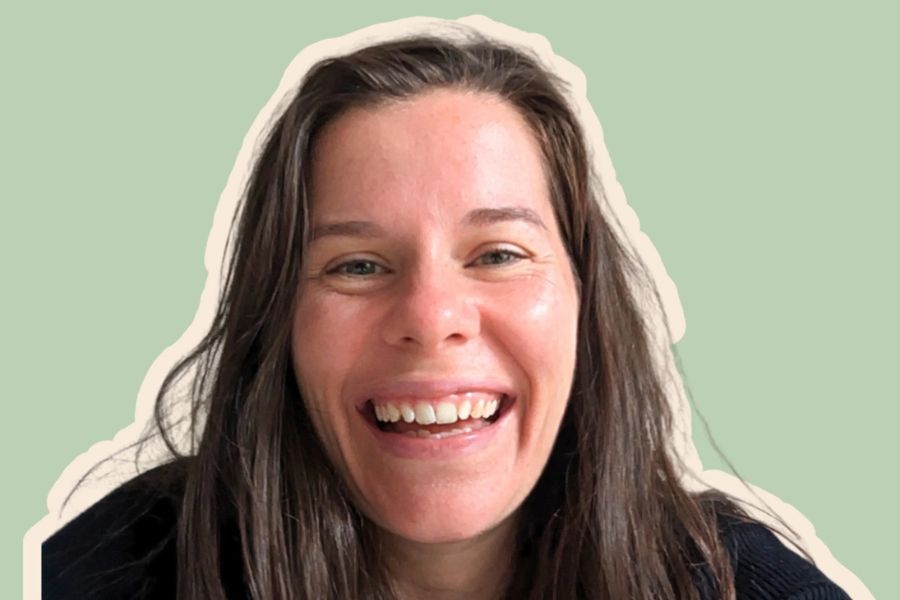
Hostel Consultant Spotlight Series: The Hostel Boost
Hostel owners can spend days, weeks, months, years trying to perfect their operations and drum up creative ways to get backpackers through their doors. From the vibe and aesthetic of a place to the types of systems and operational styles that get used on a day-to-day basis, there are countless things that separate hostels around the globe and make them different. But there’s also one common defining factor that separates hostels, and that’s guest experience.
While simple in theory, the art of building quality, memorable guest experiences is a challenge that all hostel owners face. As the industry has evolved, and the expectations of travelers have changed and evolved in their own respect, there has been an emergence of hostel consultants, such as Hostel Management, The Hostel Boost, and Hostel.consulting.
In this series, we’ll explore each of these businesses and expand on some of the things that make them different.
The Origins of The Hostel Boost
The idea behind The Hostel Boost began back in the summer of 2024, when founder Julie Calmant was traveling through New Zealand, and she couldn’t ignore the feeling that, during her time traveling through hostels, both in the Southern Hemisphere and throughout Europe, there seemed to often be something missing. Julie kept seeing things that she thought, from a backpacker’s standpoint, could be improved, so she began taking notes.
“I started writing a big review in my head. This could be better, I could improve that, and then it clicked,” said Julie. “I thought maybe I could be a consultant and help those hostels by improving the guest experience.”
Having long thought about running her own business and creating something of her own, the idea to turn those points of improvement into material for consulting hostels only felt natural, especially considering she had the experience to back it up. Years before arriving in New Zealand, Julie had become a hostel manager, and, like many others in the field, that path happened sort of accidentally.
It was while she was traveling through Australia in 2017 that Julie found herself pulled towards the hostel industry, even if she expected to only spend one year backpacking the country and had plans to make good on the master's degree in chemistry that she had just received.
“I did not follow that plan, because I fell in love with hostels,” said Julie. “I really liked staying in hostels, so I figured, why not find a job in one?”
That kicked off her journey as a hostel volunteer, which quickly led to a management position. Julie had the good fortune of ending up at a hostel with a manager who had made an impact on her and taught her everything she knew about running hostels. That information would come in handy sooner than Julie expected, because her manager was forced to leave the country abruptly, which thrust Julie into the role of manager. In four weeks, Julie went from working reception to managing the hostel.
“I don’t know if it was good timing or not, but that was my first management job. I learned everything there,” said Julie.
Learning on the Job
Not everything about the new role was idyllic, however, and Julie quickly saw the stresses of working and living on-site as a hostel manager. While it added to the stress of the job, she said she wouldn’t change it for anything. After that experience, Julie went to work on farms in Australia and then came back to work under the same boss but at a different hostel. In the time that she was gone, the owner had been actively expanding his operations.
“He was opening new hostels in Sydney, Australia, so I asked him if he had a job for me,” said Julie. That led to her taking on another job as a hostel manager in Sydney, Australia. Following her time in Australia, Julie spent time traveling through New Zealand, working and staying in hostels. Her experiences ranged from working in small, family-run operations and hostels that also included campsites, to working for larger hostel chains, doing everything from housekeeping and reception to being the assistant manager and manager.
By the time she reached that 'aha' moment in New Zealand, Julie felt like she had the experience and knowledge of hostel operations to market herself as a hostel consultant. But even though she had clarity on her vision, Julie didn’t jump right into consulting. She spent time networking, building relationships with people in the industry, and allowing the connections for future business opportunities to occur organically. Attending conferences like the NAHA Conference and the Hostelworld Conference accelerated that process, offering her irreplicable opportunities to meet hostel owners face-to-face and begin establishing relationships with hostel owners around the world.
“It’s much different talking in real life than on the internet. I’m much more comfortable in person,” said Julie. “It was at those conferences that I began to meet owners and understand their wants and needs, what they were struggling with, and what their vision was.”
Through networking, Julie landed her first client, which was a hostel in Mexico. While based in Spain, Julie said that she’s open to the whole world, but she wants to work with smaller, independent hostels rather than large chains or really big hostels, since that is what she knows best and has the deepest understanding of when it comes to hostels.
“It feels a bit more personal, as well,” said Julie. “At least for now. Maybe in the future, I’ll work with bigger hostels.”
Building Services From Scratch
While she didn’t share all of her trade secrets, Julie identified guest experience as one of the key focuses for her consulting services. She emphasized the importance of building the consulting services from scratch and tailoring them specifically to each hostel instead of trying to create a one-size-fits-all package for all hostels.
“I feel like there are a lot of hostels that could do a lot better if they had a better guest experience. Sometimes they think it’s only what’s happening in the hostel, but not always. The booking and check-in, and even after, are so important,” said Julie. “There’s a lot of opportunity to build trust there if they focus on not losing the booking before it arrives.”
Other points of emphasis for her consulting services include focusing on the events and vibe of a hostel, and also the importance of reviews. Reviews, as Julie said, bring bookings, and this is an area that she feels more hostels could focus more heavily on.
“I’m a fresh pair of eyes to have a look at the guest journey before, after, and during the stay. I spot whatever is wrong or where there might be gaps in the guest experience,” said Julie. “I want to make sure every guest has a great experience and that they want to come back. Sometimes if you’re too close to something or have been looking at it for too long, you miss things.”
However, creating a business model built on trust and results takes time. Social media is a vital tool that business owners like Julie rely on, but results don't happen overnight. This is an area she focuses on to build brand awareness and showcase her services, even if that can become a job in itself. Julie said that if she could give herself one piece of advice on the day that she started marketing her business, it would be to be patient.
“It takes time and effort to be consistent. It’s a full-time thing. At the end of the day, when people start a business, there are so many things you have to learn, and it can be challenging,” said Julie. “But in the end, it (social media) is a great tool to make yourself known.”

