
Travel has changed. For years, people booked trips mainly for sightseeing, nightlife, or adventure. But today, a new trend is taking over the hospitality world: wellness hostels. These spaces are redefining what budget travel can look like by blending affordability, community, and personal well-being into one experience.
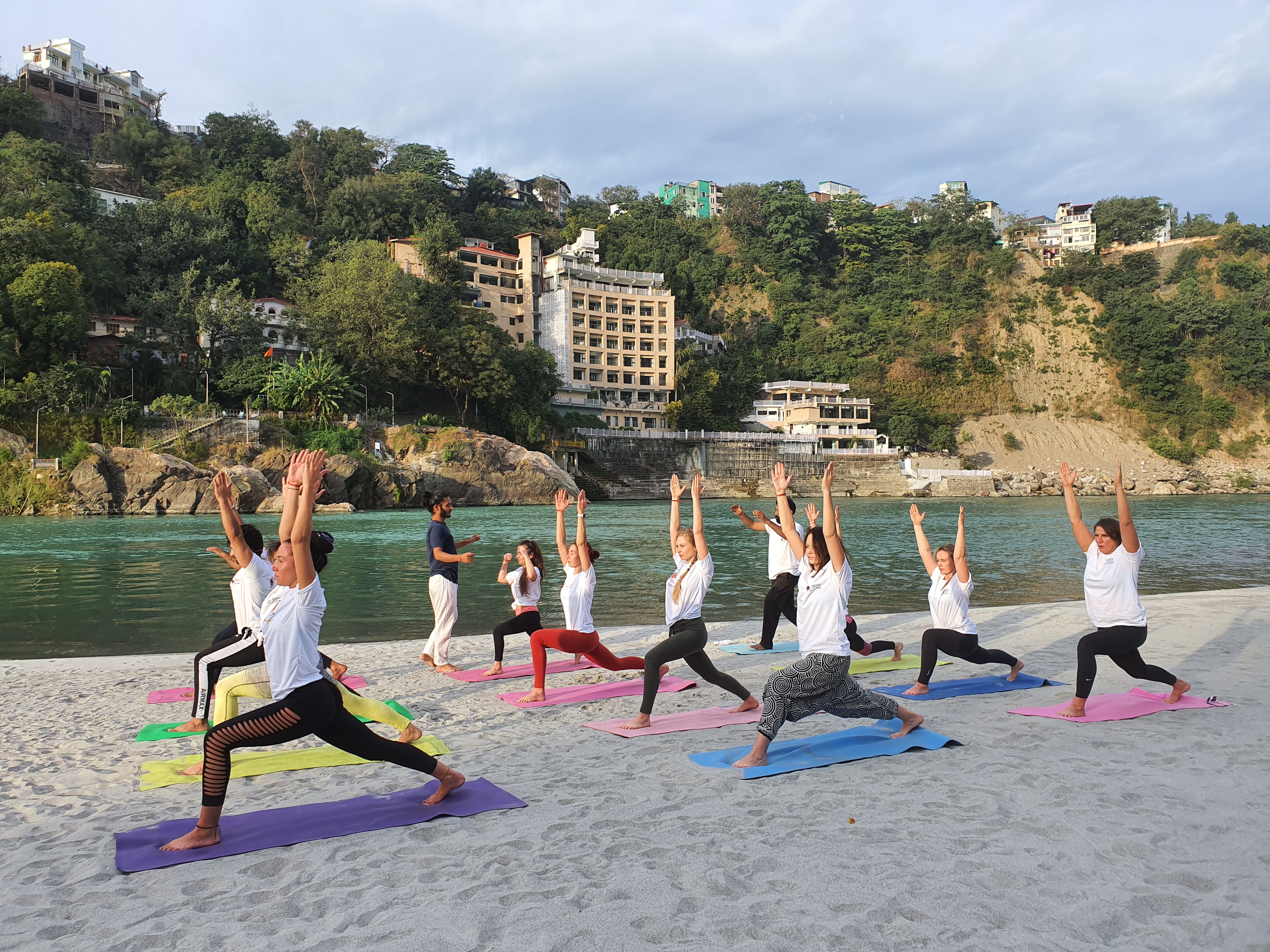
So, are wellness hostels the next big thing? The short answer is yes.
As travelers become more mindful of their physical and mental health, wellness-focused accommodations are rising in popularity. Unlike traditional hostels that often focus on social events and party culture, wellness hostels offer a different kind of value: rest, recovery, and balance.
What Are Wellness Hostels?
Wellness hostels are accommodations designed to support healthier lifestyles while traveling. They often include amenities like yoga classes, meditation spaces, nutritious meal options, fitness areas, and peaceful communal environments. Some even provide workshops on mindfulness, breathwork, or holistic healing.
The concept appeals to travelers who want connection without chaos. Instead of pub crawls and loud dorms, guests may wake up to sunrise yoga, join group hikes, or attend wellness talks. It is a shift from “travel hard” to “travel well.”
This movement is especially attractive to digital nomads, solo travelers, and younger generations who prioritize experiences that contribute to long-term well-being.
Why Wellness Hostels Are Growing Fast
The rise of wellness hostels is closely tied to the global wellness industry, which has seen major growth over the past decade. Travelers are becoming more intentional about how they spend their time and money. They want trips that feel meaningful, not draining.
Social media has also fueled this trend. Images of rooftop yoga sessions, smoothie bowls, and scenic meditation spots create strong appeal. More importantly, travelers are actively searching for accommodations that align with their lifestyles.
For hostel operators, this is a major opportunity. Adding wellness elements can help attract a broader audience and differentiate their property in a competitive market.
How Wellness Hostels Are Changing the Hostel Industry
Traditional hostels have always been known for affordability and community. Wellness hostels build on that foundation by adding purpose-driven experiences.
This shift is changing traveler expectations. Guests now look for quiet zones, healthier food options, and activities that support mental health. Many hostels are redesigning spaces to include natural lighting, outdoor areas, and calming interiors.
The result is a more versatile hostel model. A wellness hostel can still be social, but the social connection feels more intentional. It is less about late nights and more about shared growth.
This model also extends the guest experience. Travelers who feel physically and mentally restored are more likely to leave positive reviews, stay longer, and recommend the hostel to others.
Are Wellness Hostels Here to Stay?

All signs point to yes. The modern traveler is evolving, and the hospitality industry is evolving with them. Wellness is no longer considered a luxury. It is becoming an expectation.
As stress, burnout, and digital fatigue continue to shape everyday life, people are looking for spaces that help them recharge. Wellness hostels meet that need while staying accessible to budget-conscious travelers.
For travelers, it means better experiences. For hostel owners, it means stronger brand loyalty and a growing market.
The hostel industry has always adapted to cultural shifts. Right now, wellness may be its most important evolution yet.
FAQs
1. What makes a hostel a wellness hostel?
A wellness hostel focuses on supporting guests’ physical and mental well-being through features like yoga, healthy food, meditation spaces, and wellness activities.
2. Are wellness hostels more expensive than regular hostels?
Not always. While some may charge slightly more due to added amenities, many remain affordable and competitive with standard hostels.
3. Who stays in wellness hostels?
Wellness hostels attract solo travelers, digital nomads, backpackers, and anyone seeking a healthier, more balanced travel experience.

