
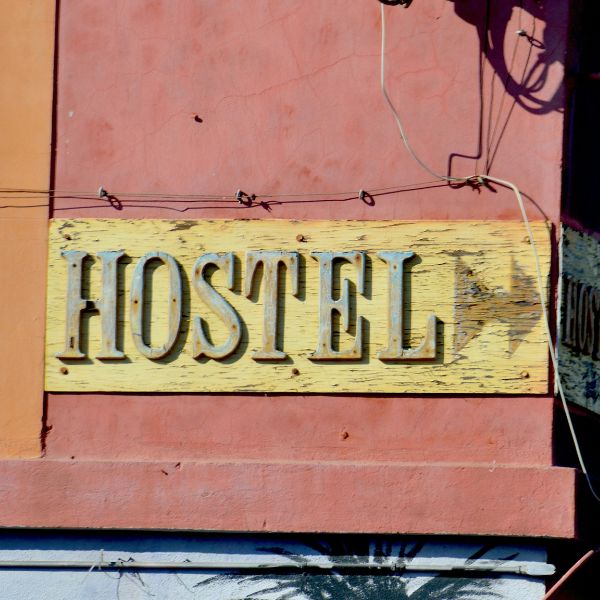
Where to Buy Hostels
The global hostel industry has matured significantly over the past decade. What was once considered a small niche of the accommodation sector is now a sophisticated segment of the hospitality industry, attracting entrepreneurs, real estate investors, and experienced operators alike. As travel patterns evolve and younger travelers increasingly prioritize affordability, community, and authentic experiences, interest in buying hostels has grown rapidly.
Yet one of the most important questions prospective owners ask is simple but strategic: Where should you buy a hostel?
Location is the single most influential factor in determining whether a hostel thrives or struggles. While operational excellence and strong branding matter, the right destination ensures a steady flow of travelers, a supportive tourism ecosystem, and sustainable pricing power.
Where to Buy Hostels: Understanding the Best Markets
When evaluating where to buy hostels, experienced operators often focus on destinations that already attract high volumes of independent travelers. Cities with established backpacker cultures tend to provide stable demand because they are deeply embedded in global travel routes. For example, destinations such as Bangkok in Thailand, Barcelona in Spain, and Lisbon in Portugal have long been staples of international backpacking itineraries. These cities attract millions of visitors annually, many of whom actively seek social accommodation options.
In these established markets, buying hostels can provide immediate access to a reliable customer base. Travelers already associate these cities with vibrant hostel scenes, which helps drive bookings through online platforms and word-of-mouth recommendations. However, the maturity of these markets also creates challenges. Competition is often intense, and acquiring a well-positioned property can require a significant upfront investment.
Beyond traditional backpacker hubs, many investors are now looking toward emerging destinations where tourism is growing quickly, but hostel supply remains relatively limited. Cities such as Tbilisi in Georgia or Medellín in Colombia have become increasingly popular among digital nomads and long-term travelers. In these locations, property costs are often lower while international visibility continues to increase. For operators willing to enter earlier in a market’s development cycle, these environments can offer significant long-term upside.
Evaluating a Destination Before Buying Hostels
Choosing the right city is only the first step. Successful hostel investors analyze a range of structural factors before committing to a property. Tourism demand is one of the most important indicators. Destinations with strong year-round visitation, international airport access, and a steady flow of independent travelers typically produce more stable hostel occupancy levels.
Running a hostel in any of these markets also requires modern operational infrastructure. Property management systems, channel managers, and booking engines have become essential tools for managing inventory and maximizing revenue. Many hostel operators rely on platforms such as Cloudbeds, which provides integrated software designed for independent accommodation businesses, including hostels. Solutions like this help operators manage reservations, automate pricing, and distribute inventory across major booking platforms—an increasingly critical capability as online bookings dominate the industry.
Real estate economics also play a central role in the decision to buy a hostel. Experienced operators often evaluate acquisition costs relative to the number of beds a property can support. In many cases, the most successful hostels are those that maximize bed density while maintaining comfortable communal spaces. If property prices rise too quickly relative to nightly rates, profitability can become difficult to sustain.
Another key consideration is the regulatory environment. Different cities maintain very different rules regarding dormitory accommodations, building safety requirements, and licensing. Investors considering buying hostels must carefully review local regulations to ensure the property can legally operate as a hostel and support the intended number of guests.
Equally important is the surrounding tourism ecosystem. Adventure travel destinations often produce strong hostel performance because travelers in these locations actively seek social connections. Cities such as Queenstown in New Zealand or Cusco in Peru demonstrate how outdoor activities and group excursions naturally align with the communal nature of hostels.
The Strategic Opportunity in Buying Hostels
As the hostel sector continues to professionalize, buying hostels is increasingly viewed as a legitimate hospitality investment rather than simply a lifestyle business. Modern hostels frequently blend dormitory accommodations with private rooms, co-working spaces, bars, and community events. This hybrid approach expands revenue potential while attracting a broader demographic of travelers.
For entrepreneurs entering the market, purchasing an existing hostel can offer several advantages. Established hostels often come with operational systems, staff experience, and online reviews that help generate bookings from day one. Building a new hostel from scratch, while offering more creative control, typically requires a longer ramp-up period before occupancy stabilizes.
Ultimately, the success of buying hostels depends on a combination of strategic location selection, disciplined financial planning, and a clear understanding of the social experience that travelers seek. Hostels that successfully combine community, thoughtful design, and operational efficiency continue to outperform traditional accommodation formats in many destinations.
Frequently Asked Questions
Want deeper insights into the business of running hostels?
Join the HostelManagement.com email list to receive industry analysis, market trends, and strategic guidance on hostel operations and investment.
If you are actively exploring buying hostels or developing a new property, consider working with Hostel Management Consulting. Our team helps investors evaluate markets, analyze properties, and build profitable hostel businesses designed for the modern travel industry.

